Turtle WoW Shuts Down: The Dramatic End of One of World of Warcraft’s Most Ambitious Private Servers
One of the most renowned and ambitious private server projects in World of Warcraft history has officially come to an end. Turtle WoW, a fan-created server that had been operating for years and attracted a dedicated community of players nostalgic for the classic WoW experience, shut down its operations in what many described as an emotional farewell. The closure marks the end of an era for thousands of players who found a home in this unofficial recreation of Blizzard Entertainment’s legendary MMORPG, and raises broader questions about the complex relationship between game publishers and passionate fan communities.
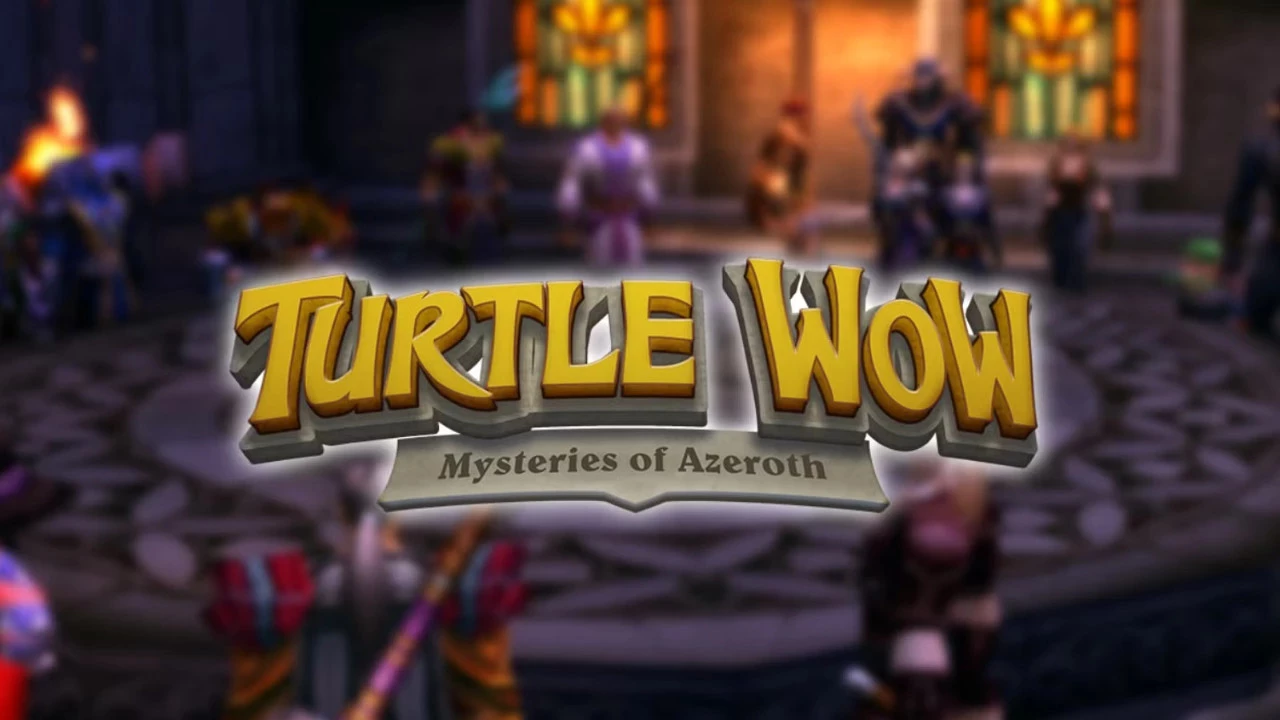
The shutdown was accompanied by dramatic scenes as both the development team and players gathered in-game for final goodbyes. Players shared screenshots and videos of massive gatherings at iconic locations within the game world, with characters standing side by side as servers went dark for the last time. The Turtle WoW team, which had spent years developing custom content, expanding the vanilla WoW experience with new zones, quests, and features not found in the original game, bid farewell to their community with heartfelt messages. Many players expressed gratitude for the countless hours of entertainment and the sense of community the server had provided.
Private servers like Turtle WoW occupy a legally gray area in the gaming industry. These unauthorized recreations of official games operate without permission from the original developers and publishers. Blizzard Entertainment has historically taken a firm stance against such projects, issuing cease and desist letters and pursuing legal action when necessary. The company argues that private servers infringe on their intellectual property rights and potentially divert players from official services. However, many in the gaming community view these fan projects differently, seeing them as preservation efforts that keep beloved versions of games alive long after official support has ended.
The history of World of Warcraft private servers stretches back nearly two decades. When Blizzard made significant changes to the game through various expansions, some players yearned for the original experience. This nostalgia eventually led Blizzard to create World of Warcraft Classic in 2019, acknowledging the demand for legacy content. However, private servers like Turtle WoW went further than simple recreation, adding custom content that expanded upon the original game in ways official servers never did. Turtle WoW was particularly notable for its high-quality additions, including new playable races, custom dungeons, and storylines that fit seamlessly into the existing lore.
The private server phenomenon highlights a fundamental tension in the gaming industry between corporate intellectual property rights and community desires for game preservation and modification. While companies like Blizzard invest millions in developing and maintaining their games, fan communities argue that when official versions of games are no longer available, preservation efforts serve an important cultural function. This debate has become increasingly relevant as the video game industry matures and more classic titles become unavailable through official channels. Organizations like the Video Game History Foundation have advocated for better preservation practices, though the legal landscape remains complicated.
Throughout its existence, Turtle WoW cultivated an image as a passion project rather than a commercial venture, with its creators positioning themselves as custodians of a beloved gaming experience rather than pirates seeking profit. This narrative resonated with many players who felt abandoned by official game updates that changed the World of Warcraft they had fallen in love with. The server’s popularity demonstrated the enduring appeal of classic MMORPG experiences and the lengths to which devoted fans will go to preserve and enhance the games they cherish. At its peak, Turtle WoW boasted thousands of active players from around the world.
As the final moments of Turtle WoW faded into gaming history, the closure serves as a reminder of the ephemeral nature of online gaming experiences and the communities built around them. For the developers who poured years of unpaid work into the project and the players who formed friendships and memories within its virtual world, the end represents a genuine loss. Whether such projects constitute piracy or preservation remains a matter of perspective, but the emotional reactions to Turtle WoW’s closure demonstrate that for many, these unofficial servers represent something meaningful—a connection to gaming memories and communities that transcends simple questions of intellectual property law.