New Fortnite Season Sparks Controversy Over ‘Too Revealing’ Character Skin
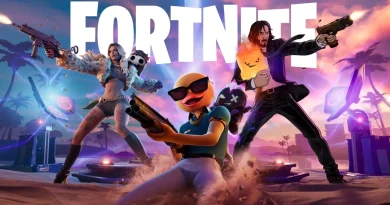
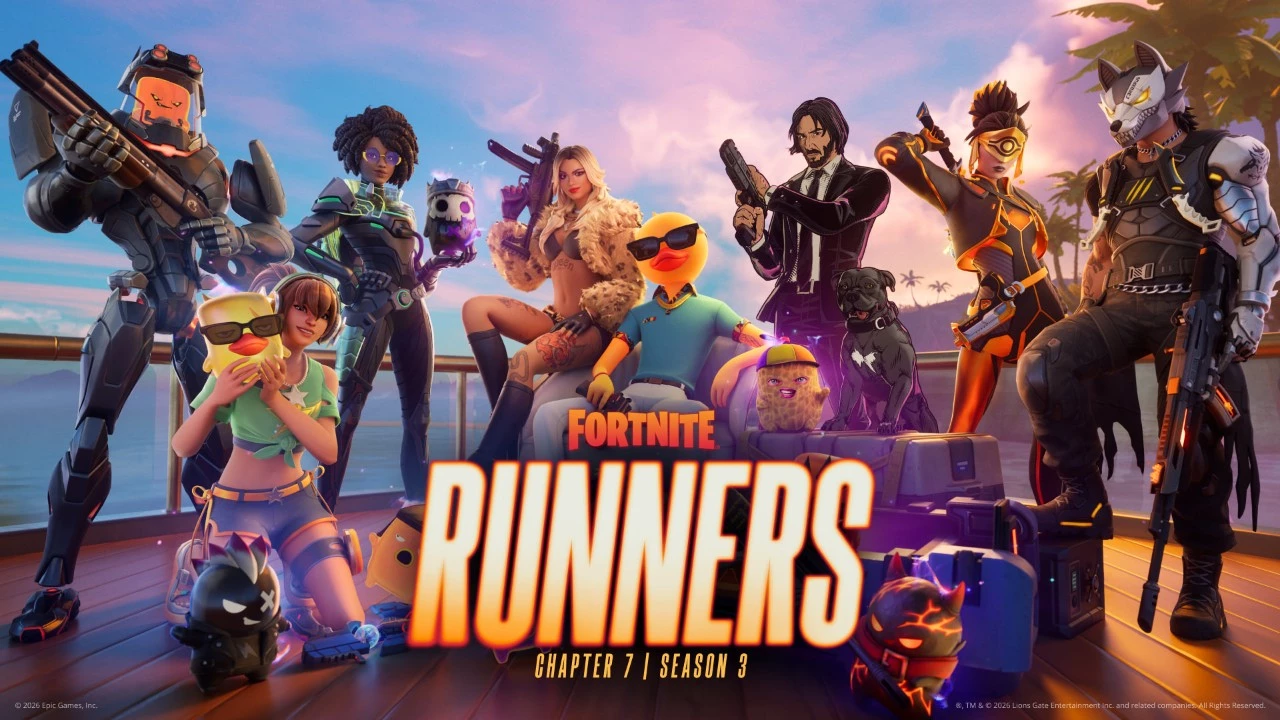
Epic Games has found itself at the center of a heated community debate following the release of teaser images for Fortnite Chapter 7 Season 3, titled “Runners.” The official Fortnite social media accounts unveiled a preview of upcoming character skins that will be featured in the new season, and the response from the gaming community was immediate and polarizing. Within just a few hours of posting, the teaser had accumulated tens of thousands of likes, but the comments section quickly devolved into a fierce argument about the appropriateness of the new cosmetic designs for a game with such a young player base.
The controversy centers around one particular skin that many players and parents deemed “too revealing” for Fortnite’s predominantly teenage audience. Critics argue that the design pushes boundaries that Epic Games has traditionally respected, given that Fortnite is rated T for Teen by the ESRB and attracts millions of players under the age of 18. Supporters of the new skin, however, contend that the design is no more provocative than costumes seen in other popular media and that the outrage is overblown. The debate has reignited long-standing discussions about the responsibility of game developers to maintain age-appropriate content in free-to-play titles that are accessible to anyone.
This is far from the first time Fortnite has faced scrutiny over its cosmetic offerings. The game, which launched in 2017 and quickly became a cultural phenomenon, has built a massive revenue stream through the sale of character skins, emotes, and other in-game items. Epic Games reportedly generated billions of dollars through these microtransactions, making cosmetic design a crucial element of the game’s business model. Over the years, the company has collaborated with major entertainment franchises including Marvel, Star Wars, and numerous music artists, bringing iconic characters and celebrities into the Fortnite universe. However, with each new release, the company must balance creative expression with the expectations of a diverse global audience that includes both adults and children.
The gaming industry has grappled with similar controversies for decades. Character design in video games has long been a subject of debate, with critics often pointing to the sexualization of characters, particularly female ones, as problematic. In recent years, many game developers have made conscious efforts to create more diverse and less objectified character representations. Fortnite itself has generally maintained a relatively family-friendly aesthetic, featuring cartoonish graphics and whimsical designs that set it apart from more mature battle royale competitors. This latest controversy suggests that some players feel the company may be drifting from that established identity.
Industry analysts note that Epic Games faces a delicate balancing act with each new season release. The company must continuously innovate and offer fresh, appealing content to maintain player engagement in an increasingly competitive market. Games like Apex Legends, Call of Duty: Warzone, and newer titles constantly vie for the attention of the same player base. At the same time, Fortnite’s reputation as a game suitable for younger audiences has been a significant factor in its mainstream success and acceptance by parents. Any perceived shift toward more adult-oriented content could potentially alienate a substantial portion of its community and invite increased regulatory scrutiny.
The reaction on social media platforms has been mixed, with some users defending Epic Games’ creative choices while others call for the company to reconsider the skin’s design before the season officially launches. Several prominent gaming content creators have weighed in on the debate, further amplifying the discussion across YouTube and Twitch. Some have called for Epic to implement more robust parental controls, while others suggest that the controversy itself is being manufactured by a vocal minority seeking attention. Regardless of where one stands on the issue, the intense reaction demonstrates the passionate connection that millions of players have with Fortnite and their investment in the game’s direction.
As of now, Epic Games has not issued an official response to the controversy, and it remains unclear whether the company will make any modifications to the skin before Chapter 7 Season 3 goes live. The situation serves as a reminder of the complex dynamics between game developers and their communities in the modern era of live-service games, where every update can become a flashpoint for broader cultural debates. Whether this controversy will have any lasting impact on Fortnite’s approach to character design or its relationship with its player base remains to be seen, but one thing is certain: the conversation about appropriate content in games that appeal to younger audiences is far from over.