
Star Wars: Zero Company Demands RTX 3080 and 32GB RAM for Optimal Gaming Experience
The gaming community was taken aback this week when the official PC requirements for Star Wars: Zero Company appeared on Steam, revealing surprisingly demanding hardware specifications for the upcoming turn-based tactical game set in the beloved Star Wars universe. According to the listing, players seeking a comfortable gaming experience will need nothing less than an NVIDIA RTX 3080 graphics card paired with 32 gigabytes of RAM — specifications that exceed many current AAA action titles with real-time rendering.
The recommended system requirements have sparked considerable discussion among fans and industry observers alike. While the minimum specifications allow for more modest hardware, the recommended tier suggests that developer Bit Reactor and publisher Respawn Entertainment are pushing visual fidelity to unprecedented levels for the tactical genre. This marks a significant departure from traditional turn-based strategy games, which have historically been far less demanding on hardware compared to first-person shooters or open-world adventures.
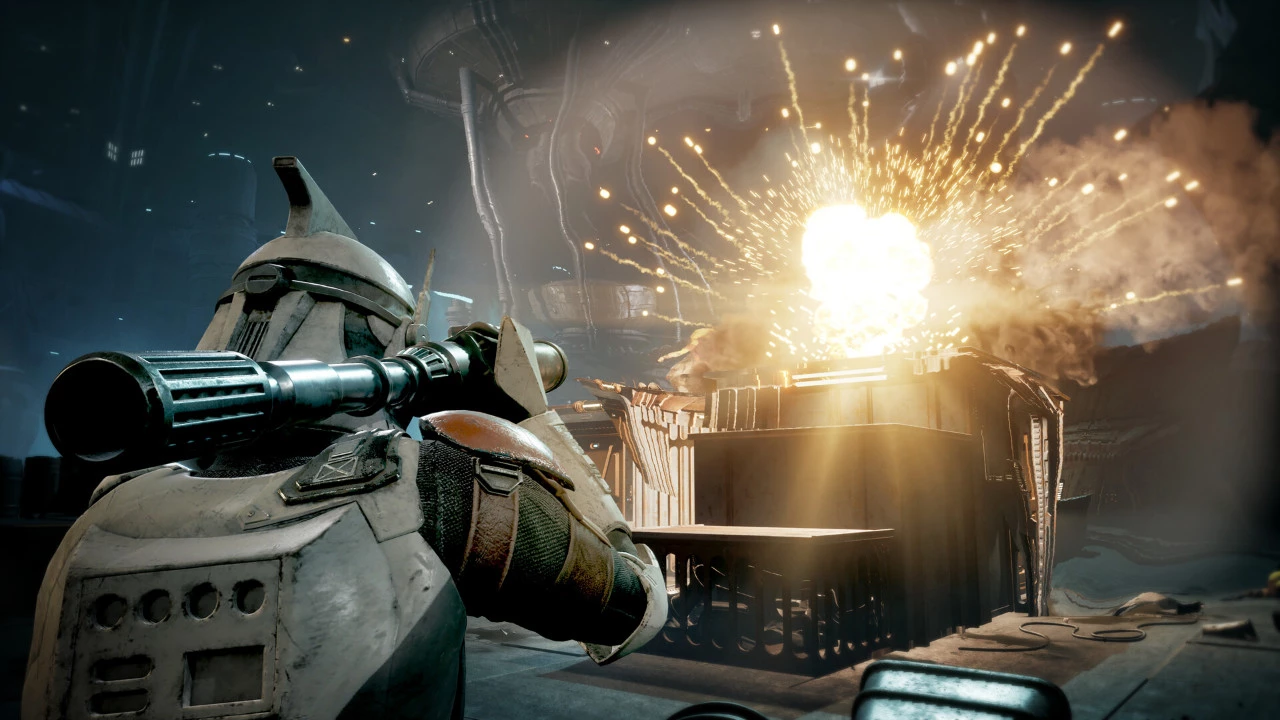
Star Wars: Zero Company represents a new direction for Star Wars gaming, combining the franchise’s iconic universe with XCOM-style tactical gameplay. Players will command a squad of Rebel operatives during the Galactic Civil War era, engaging in strategic ground combat against Imperial forces. The game promises destructible environments, dynamic lighting systems, and highly detailed character models — technical features that may explain the steep hardware requirements. Bit Reactor, founded by former Firaxis developers who worked on the acclaimed XCOM series, appears committed to delivering a visually stunning experience that brings the Star Wars galaxy to life in unprecedented detail.
The turn-based tactics genre has seen a remarkable renaissance in recent years, with titles like XCOM 2, Phoenix Point, and Gears Tactics attracting millions of players worldwide. However, these games typically ran smoothly on mid-range hardware from their respective eras. The Zero Company requirements suggest a generational leap in visual complexity, potentially incorporating ray-tracing effects, advanced physics simulations, and AI-driven environmental interactions that would justify the powerful GPU demands.
Industry analysts note that the 32GB RAM requirement is particularly unusual for a tactics game. Most current titles recommend 16GB as optimal, with only the most demanding open-world games and professional creative applications regularly utilizing more. This specification hints at either extremely large battle maps, complex AI calculations running simultaneously, or perhaps an innovative approach to loading assets that keeps extensive game data readily accessible in memory. Some speculate that the game may feature seamless transitions between tactical combat and larger strategic elements without loading screens.
The announcement comes at an interesting time for PC gaming hardware. While the RTX 3080 launched in 2020 and has since been succeeded by the RTX 40 series, it remains a high-end card that many gamers have yet to acquire. GPU prices have only recently stabilized following years of cryptocurrency mining demand and global chip shortages. The requirement effectively sets a high barrier to entry, though it’s worth noting that these are recommended rather than minimum specifications, suggesting the game will still be playable on less powerful systems at reduced visual settings.
Star Wars games have a storied history in PC gaming, from the classic X-Wing and TIE Fighter simulators of the 1990s to the beloved Knights of the Old Republic RPGs and more recent titles like Jedi: Fallen Order. Each era has pushed contemporary hardware in different ways, and Zero Company appears poised to continue this tradition. The collaboration between Bit Reactor’s tactical expertise and the Star Wars license represents one of the most anticipated strategy releases in recent memory, despite — or perhaps because of — its ambitious technical demands.
As the release date approaches, players are evaluating whether their current systems can handle the galactic conflict or if upgrades will be necessary to experience Zero Company at its full potential. The gaming community remains divided on whether such high requirements are justified for a turn-based game, but anticipation remains high nonetheless. Only time will tell if the visual spectacle delivers on the promise of these demanding specifications when Star Wars: Zero Company finally launches.