Manor Lords Patch Kicks Drunken Workers Out of Taverns and Fixes Dozens of Medieval Life Bugs
The popular medieval city-building simulation Manor Lords has received a comprehensive new patch that promises to bring order to the chaotic lives of virtual peasants across countless player settlements. Developer Slavic Magic has addressed dozens of bugs that have been plaguing the early access title since its explosive launch, with fixes ranging from the mundane to the absurdly specific — including finally evicting workers who had been permanently camping out in local taverns instead of contributing to their communities.
Among the most impactful changes in this update is the resolution of pathfinding issues that caused villagers to become hopelessly stuck in various locations throughout their settlements. Players had long reported instances where their precious workforce would simply freeze in place, unable to navigate around obstacles or complete their assigned tasks. This created cascading problems in the delicate economic balance that Manor Lords demands, as idle hands meant unplowed fields, unfinished constructions, and ultimately, starving populations. The tavern fix specifically addresses a bug where workers would enter these social establishments and never leave, essentially becoming permanent fixtures rather than productive members of society.
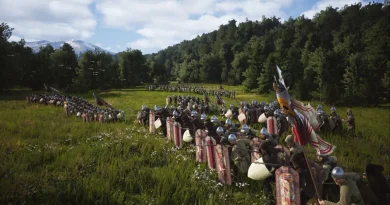
Manor Lords burst onto the gaming scene in April 2024 and immediately captured the attention of strategy enthusiasts worldwide. Developed primarily by a single person, Greg Styczeń operating under the Slavic Magic studio name, the game represents years of painstaking work to create an authentic medieval European experience. Within its first 24 hours of early access release, Manor Lords sold over one million copies, making it one of the most successful indie launches in recent gaming history. The title combines city-building mechanics with real-time tactical battles, drawing comparisons to classics like Stronghold and the Total War series while carving out its own unique identity.
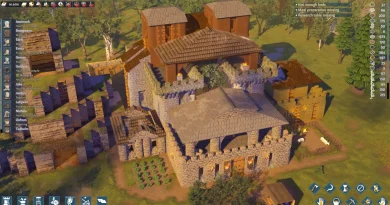
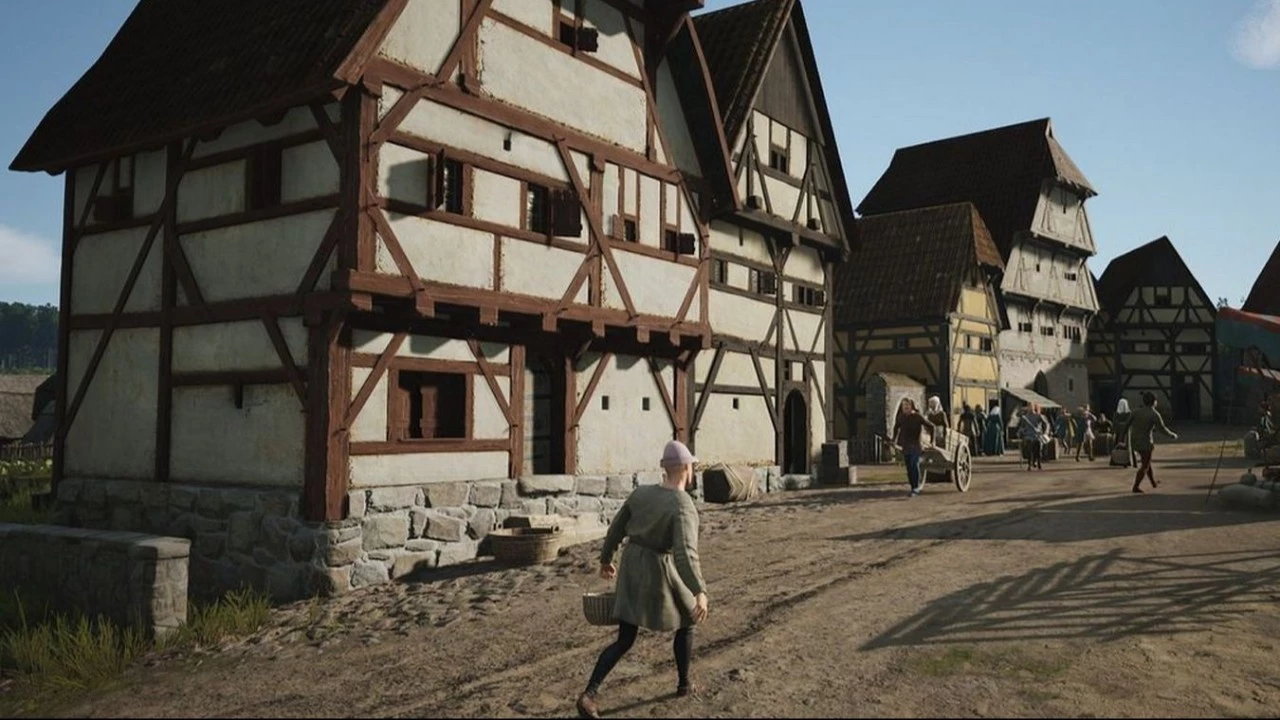
The game’s appeal lies in its meticulous attention to historical accuracy and its gorgeous visual presentation of 14th-century European rural life. Players take on the role of a feudal lord tasked with transforming a small settlement into a thriving medieval town. Every aspect of village life must be carefully managed, from crop rotation and livestock breeding to market placement and defensive fortifications. The organic growth system allows buildings to naturally expand based on their plots, creating visually authentic settlements that look like they could have been plucked from historical records rather than generated by an algorithm.
The technical challenges of simulating such complex systems have inevitably led to various bugs throughout the early access period. Animation glitches have been a particular source of both frustration and unintentional comedy for players. Some objects would clip through walls or float mysteriously above the ground, while character animations would occasionally loop incorrectly or fail to play at all. This latest patch tackles many of these visual inconsistencies, smoothing out the overall experience and bringing the simulation closer to the polished vision that both developer and community are working toward. The iterative nature of early access development means that such fixes come gradually as the small development team prioritizes issues based on severity and community feedback.
The city-building and simulation genre has experienced a remarkable renaissance in recent years, with titles like Cities: Skylines, Frostpunk, and now Manor Lords proving that there remains a substantial appetite for complex management experiences. What sets Manor Lords apart from many competitors is its commitment to historical realism over fantasy elements or futuristic settings. The game features accurate medieval building techniques, period-appropriate tools and weapons, and economic systems that reflect the genuine challenges faced by communities during this era. Even the controversial inclusion of the Burgage plot system — where residential lots can be upgraded with backyard extensions for various industries — reflects actual medieval urban planning practices documented by historians.
Community response to the new patch has been overwhelmingly positive, with players expressing relief that their virtual villages can finally function as intended. The Manor Lords community has been notably patient and supportive throughout the development process, recognizing that the ambitious scope of the project combined with its small development team means that perfection will take time. Forums and social media have been filled with players sharing stories of settlements saved from economic collapse now that workers actually report to their jobs instead of drowning their sorrows indefinitely at the local alehouse. As development continues, fans eagerly anticipate future updates that will expand gameplay systems, add new buildings and units, and further refine this already impressive medieval sandbox.