
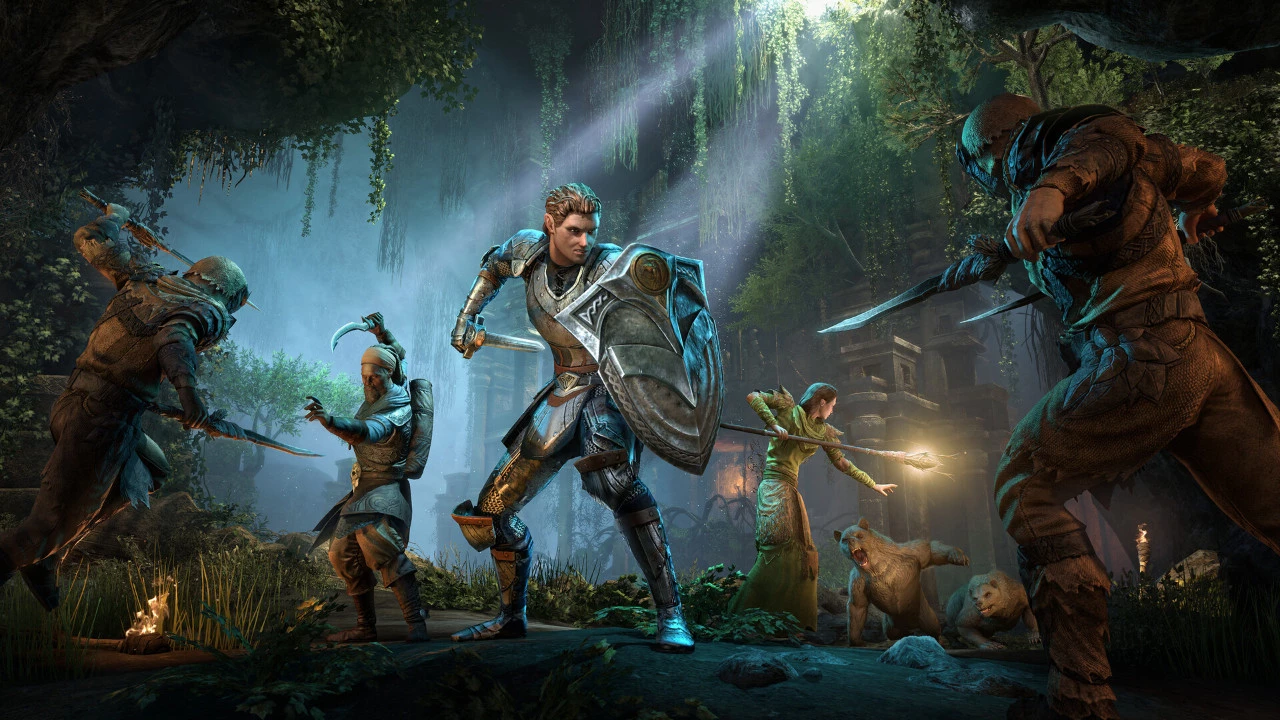
The Future of The Elder Scrolls Online Under Scrutiny as ZeniMax Online Studios Faces Massive Layoffs
The gaming community is buzzing with concern as ZeniMax Online Studios, the development team behind the massively popular MMORPG The Elder Scrolls Online, has reportedly undergone significant workforce reductions. These layoffs have sparked widespread speculation about the future of one of the most successful online role-playing games in recent memory, with many fans expressing fears that the beloved title may be entering a period of decline or even approaching the end of its active development cycle.
The Elder Scrolls Online, which launched in 2014, has been a cornerstone of the Elder Scrolls franchise’s expansion beyond single-player experiences. Over the past decade, the game has amassed millions of players worldwide, offering an expansive virtual world set in the continent of Tamriel. The game has consistently received annual expansions, regular content updates, and seasonal events that have kept its player base engaged and growing. However, the recent staff cuts at ZeniMax Online Studios have raised serious questions about whether this level of support can continue.
Industry analysts suggest that the layoffs at ZeniMax are part of a broader trend affecting the gaming industry as a whole. Following the pandemic-era boom in gaming revenues, many studios have faced difficult financial realities as player spending has normalized. Microsoft, which acquired ZeniMax Media and its subsidiaries including Bethesda Softworks in 2021 for approximately $7.5 billion, has been implementing cost-cutting measures across its gaming division throughout 2024. These cuts have affected multiple studios under the Xbox umbrella, and ZeniMax Online Studios appears to be the latest casualty of this corporate restructuring.
The concern among fans is not merely speculative. MMORPGs are notoriously resource-intensive to maintain, requiring dedicated teams for server maintenance, bug fixes, new content creation, community management, and customer support. When development teams are significantly reduced, the quality and frequency of updates typically suffer. Historical precedents in the gaming industry have shown that substantial layoffs at MMO studios often precede a shift to maintenance mode, where games receive minimal new content while continuing to operate on existing infrastructure. Games like WildStar and Marvel Heroes saw similar patterns before their eventual shutdowns.
The Elder Scrolls Online has been particularly notable for its ambitious content roadmap. Each year, the game receives a major chapter expansion that introduces new zones, storylines, and gameplay systems, along with smaller dungeon packs and seasonal events throughout the year. The 2024 expansion, Gold Road, introduced players to the region of West Weald and continued the game’s tradition of delivering substantial new experiences. However, with reduced staff numbers, maintaining this pace of development may become increasingly challenging. Community members have already begun noticing longer response times for bug fixes and what they perceive as a decline in the polish of recent updates.
ZeniMax Online Studios has not officially commented on the specific number of employees affected or the potential impact on The Elder Scrolls Online’s future development. This silence has only fueled speculation within the community, with forums and social media platforms filled with theories ranging from cautious optimism to dire predictions of the game’s imminent demise. Some players point to the game’s continued revenue streams from subscription fees, cosmetic purchases, and expansion sales as evidence that it remains profitable and therefore safe. Others argue that corporate decisions often prioritize short-term financial metrics over long-term game health.
The situation is particularly poignant for long-time fans of the Elder Scrolls franchise who have invested thousands of hours into their characters and the game’s rich world. Unlike single-player games that can be revisited indefinitely, MMORPGs exist only as long as their servers remain active and their development teams continue to support them. The potential loss of The Elder Scrolls Online would mean not just the end of a game, but the disappearance of countless player memories, virtual friendships, and creative endeavors built within its digital borders.
As the gaming industry continues to navigate post-pandemic economic realities and the ongoing consolidation of major publishers, The Elder Scrolls Online’s fate may serve as a bellwether for other live-service games. Whether ZeniMax Online Studios can maintain the game’s quality and player engagement with a reduced workforce remains to be seen. For now, the community watches anxiously, hoping that their beloved virtual world of Tamriel will continue to thrive despite the challenges facing its creators. The coming months will likely prove decisive in determining whether these fears are justified or simply the natural anxiety of a passionate player base during uncertain times.