Task Bar Hero Takes Steam by Storm: The Free Background RPG That Plays While You Work
A new phenomenon has emerged in the gaming world as TBH: Task Bar Hero, a free-to-play idle RPG, has captured the attention of over 91,000 concurrent players on Steam. The game’s innovative approach to gameplay has resonated with users worldwide, offering a unique solution for those who want to game without fully committing their screen real estate or attention. Released as a completely free title with no pay-to-win mechanics, Task Bar Hero has quickly climbed the charts to become one of the most talked-about releases of the season.
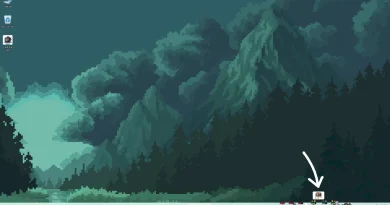
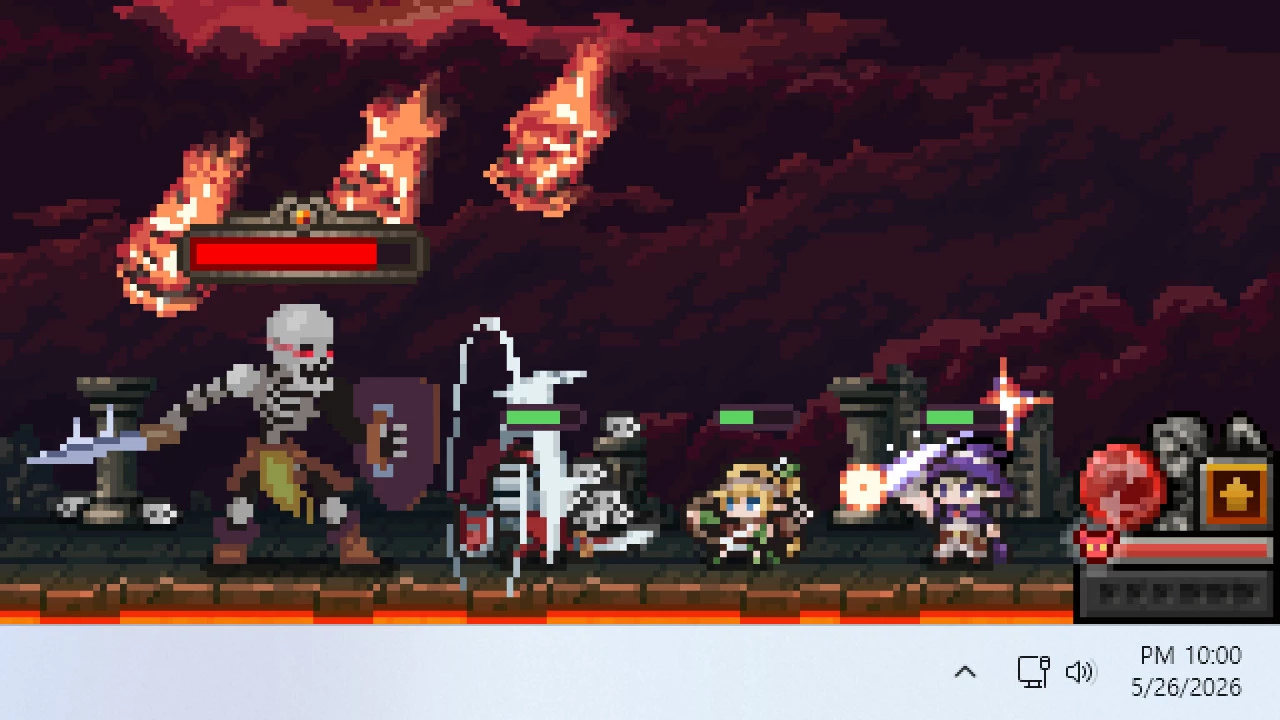
What sets Task Bar Hero apart from countless other idle games flooding the market is its ingenious design philosophy. The entire game operates within a compact mini-window that sits directly above the Windows taskbar, allowing players to keep the game running while they work, browse the internet, or engage with other applications. This unobtrusive approach means users can watch their hero battle monsters, collect loot, and level up while simultaneously attending video meetings, writing documents, or studying. The game essentially transforms dead workspace into an entertainment zone without demanding the player’s full attention.
The idle game genre has experienced remarkable growth over the past decade, evolving from simple browser-based cookie clickers to sophisticated experiences with deep progression systems. Games like Cookie Clicker, Adventure Capitalist, and Clicker Heroes pioneered the concept of games that play themselves while rewarding periodic player interaction. However, most idle games still require their own dedicated window or tab, which can be distracting or impractical during work hours. Task Bar Hero’s developers recognized this limitation and created something that feels almost invisible to the computing experience while remaining fully functional.
The RPG elements in Task Bar Hero include character customization, equipment management, skill trees, and dungeon exploration. Players guide their diminutive hero through various challenges, collecting gold and experience points that accumulate whether actively playing or letting the game run in the background. The progression system appears designed to reward both active engagement and passive play, striking a balance that keeps players invested without demanding constant attention. Community feedback on Steam has been overwhelmingly positive, with reviewers praising the game’s respect for player time and its lack of aggressive monetization.
The success of Task Bar Hero reflects broader trends in gaming culture, particularly the growing demand for experiences that fit into busy modern lifestyles. With remote work becoming increasingly common since 2020, many workers spend extended hours at their computers and seek subtle forms of entertainment that don’t interfere with productivity. The game taps into this demographic perfectly, offering dopamine hits through progression mechanics without requiring the cognitive investment of traditional games. Industry analysts suggest this could inspire a new wave of “background gaming” applications designed for the workspace environment.
Steam’s free-to-play section has become increasingly competitive, with thousands of titles vying for player attention. For Task Bar Hero to achieve such remarkable concurrent player numbers without any entry cost speaks to strong word-of-mouth marketing and genuine appeal. The game has benefited significantly from streaming coverage and social media buzz, with content creators showcasing how seamlessly it integrates into daily computer use. The developers have committed to ongoing updates and community engagement, suggesting that Task Bar Hero’s popularity may continue growing as new features are introduced.
The implications of Task Bar Hero’s success extend beyond simple entertainment metrics. It demonstrates that innovation in gaming doesn’t always require cutting-edge graphics or massive budgets—sometimes it means reimagining where and how games can exist in our digital lives. As work-from-home culture persists and screen time continues to increase globally, games that respectfully coexist with productivity applications may represent an underexplored frontier. For now, tens of thousands of players are enjoying their tiny heroes battling away in the corner of their screens, proof that sometimes the smallest games can make the biggest impact.