Huawei MatePad Mini 2026 Review: The Compact Tablet That Refuses to Follow the Crowd
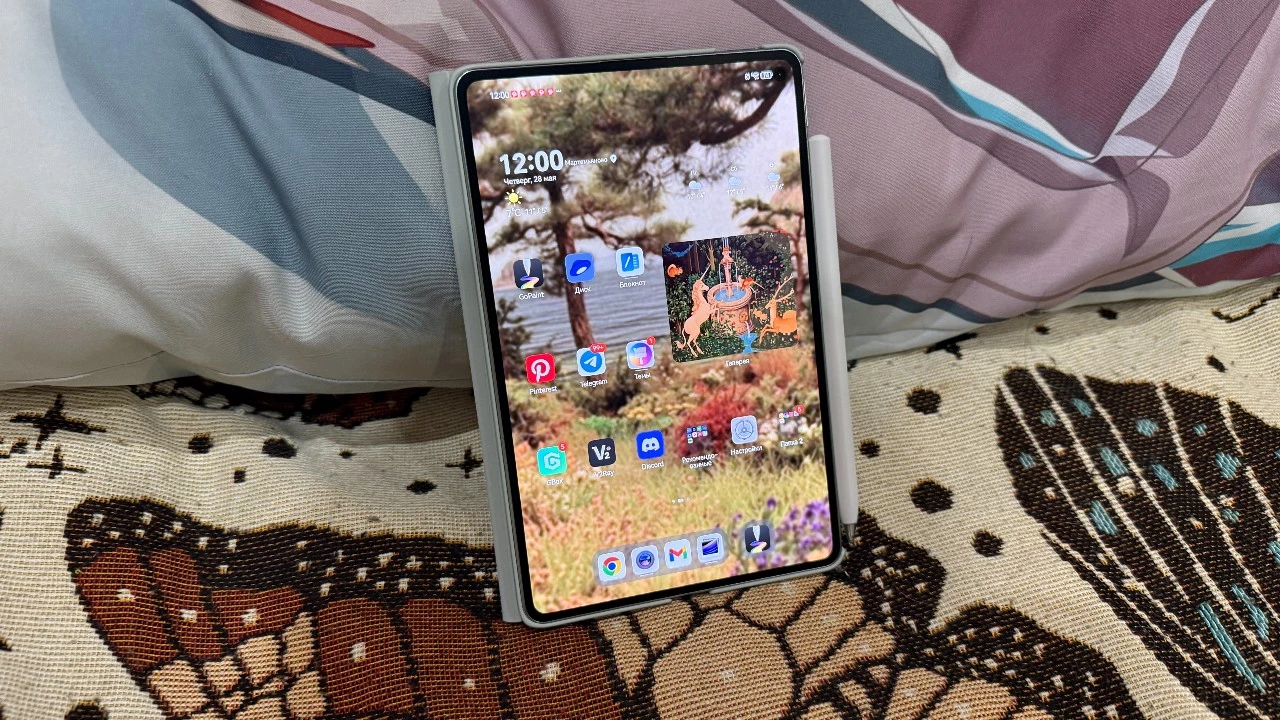
In an era where tablets have increasingly morphed into laptop replacements with ever-larger screens and detachable keyboards, Huawei has taken a decidedly different path with its latest release. The MatePad Mini 2026 arrives as a bold statement that smaller form factors still have a place in the modern tech ecosystem. Featuring an 8.8-inch OLED display, a premium metal construction, stylus support, and surprisingly capable cameras, this compact device challenges the industry’s obsession with supersizing everything. The question on everyone’s mind: does a small tablet still make sense in 2026, and why is Huawei doubling down on this seemingly niche category?
The compact tablet market has experienced a fascinating evolution over the past decade. When Apple introduced the iPad Mini in 2012, it sparked a wave of similar devices from competitors eager to capture the portable tablet segment. However, as smartphones grew larger and productivity-focused tablets gained traction, the mini tablet category gradually fell out of favor with most manufacturers. Samsung, once a prolific producer of smaller tablets, has shifted focus to its flagship Tab S series. Amazon continues to serve the budget segment with its Fire tablets, but few premium options remain. Huawei’s decision to release a high-end compact tablet represents either remarkable foresight or stubborn determination — perhaps both.
The MatePad Mini 2026’s 8.8-inch OLED display stands as the device’s crown jewel. OLED technology, which delivers perfect blacks and vibrant colors by illuminating individual pixels, has become the gold standard for premium displays. At this screen size, the technology truly shines for content consumption. Whether users are reading e-books, scrolling through social media, or watching videos during a commute, the display offers an immersive experience without the bulk of larger devices. The panel reportedly supports a high refresh rate, ensuring smooth scrolling and responsive touch interactions. Display analysts note that OLED panels at this size offer an ideal pixel density that makes text appear razor-sharp while maintaining excellent power efficiency.
Huawei’s choice of a metal construction for the MatePad Mini 2026 speaks to the company’s premium positioning strategy. While many budget tablets rely on plastic housings to cut costs, metal chassis provide superior durability, better heat dissipation, and a distinctly premium feel in hand. The tactile experience of holding a metal tablet creates an immediate impression of quality that plastic simply cannot replicate. This material choice also allows for thinner designs without sacrificing structural integrity. Industry observers suggest that Huawei is targeting professionals and enthusiasts who value build quality over rock-bottom pricing — a segment often overlooked in the compact tablet space.
The inclusion of stylus support elevates the MatePad Mini 2026 beyond simple media consumption into creative territory. Digital artists, note-takers, and professionals who annotate documents will find genuine utility in this feature. The compact form factor actually presents advantages for stylus use, as the device can be held in one hand while the other operates the pen — mimicking the natural feel of writing in a small notebook. Huawei has been refining its stylus technology for years, and the company’s M-Pencil accessories have earned praise for their low latency and pressure sensitivity. This positions the MatePad Mini as a serious tool for students attending lectures, executives reviewing contracts, or artists sketching ideas on the go.
Perhaps the most unexpected aspect of the MatePad Mini 2026 is its camera system, which Huawei describes as surprisingly capable for a tablet. Historically, tablet cameras have been an afterthought — adequate for video calls but rarely impressive. Huawei’s smartphone expertise, particularly in computational photography developed through its long-standing partnership with Leica, appears to have influenced the tablet division. While tablets will never replace dedicated cameras or even flagship smartphones for photography, improved optics enable better document scanning, augmented reality applications, and higher-quality video conferencing. The global shift toward remote work has made tablet cameras more relevant than ever before.
The strategic reasoning behind Huawei’s continued investment in compact tablets likely extends beyond simple market opportunism. Despite facing significant challenges in Western markets due to trade restrictions, Huawei remains a dominant force in China and maintains strong presence across Asia, the Middle East, and Africa. In densely populated urban environments where commuting via public transportation is common, compact devices offer practical advantages over larger tablets or laptops. Additionally, the reading-centric cultures in East Asia have sustained demand for e-reader-sized devices. The MatePad Mini 2026 slots perfectly into this usage pattern, offering multimedia capabilities that dedicated e-readers lack while maintaining true portability.
As the tablet market continues to bifurcate between productivity-focused convertibles and entertainment-oriented slates, the MatePad Mini 2026 represents a third way. It acknowledges that not every user needs or wants a laptop replacement, and that there remains substantial demand for highly portable devices that excel at specific tasks. Whether Huawei’s gamble on compact tablets will pay off depends largely on execution and pricing. However, the company’s willingness to serve underrepresented market segments while competitors chase increasingly similar products demonstrates the innovative spirit that once made it a global technology leader. For users seeking a premium small tablet in 2026, options remain limited — and Huawei is betting that scarcity creates opportunity.