World of Warcraft Boss Claims: ‘Today’s Market Has the Best WoW Ever’ — A Deep Dive into Azeroth’s Modern Renaissance
The legendary realm of Azeroth is undergoing a remarkable qualitative transformation as Blizzard Entertainment pushes to attract players with increasingly diverse gaming preferences. In a bold statement that has sparked considerable discussion across the gaming community, World of Warcraft’s leadership has declared that the current state of the iconic MMORPG represents the finest version the game has ever seen in its two-decade history. This assertion comes at a pivotal moment when the subscription-based gaming model faces unprecedented competition from free-to-play alternatives and an ever-expanding entertainment landscape.
World of Warcraft, which first launched in November 2004, has weathered numerous challenges throughout its existence, from subscriber peaks of over 12 million players to significant declines that prompted industry analysts to question the game’s long-term viability. The franchise has always been a bellwether for the broader MMORPG genre, and its current trajectory suggests that Blizzard has learned valuable lessons from both its triumphs and missteps. The development team has implemented sweeping changes to accessibility, content delivery, and player engagement systems that fundamentally alter how both veterans and newcomers experience the world of Azeroth.
Central to this transformation is Blizzard’s multi-pronged approach to serving different player demographics simultaneously. The company now maintains multiple versions of the game, including the modern retail experience with its latest expansion, World of Warcraft Classic for nostalgia-driven players, and various seasonal iterations that allow fans to relive pivotal moments in the game’s history. This strategy acknowledges a fundamental truth that took years for the development team to fully embrace: there is no single ‘correct’ way to enjoy World of Warcraft, and attempting to force all players into one experience ultimately satisfies no one completely.
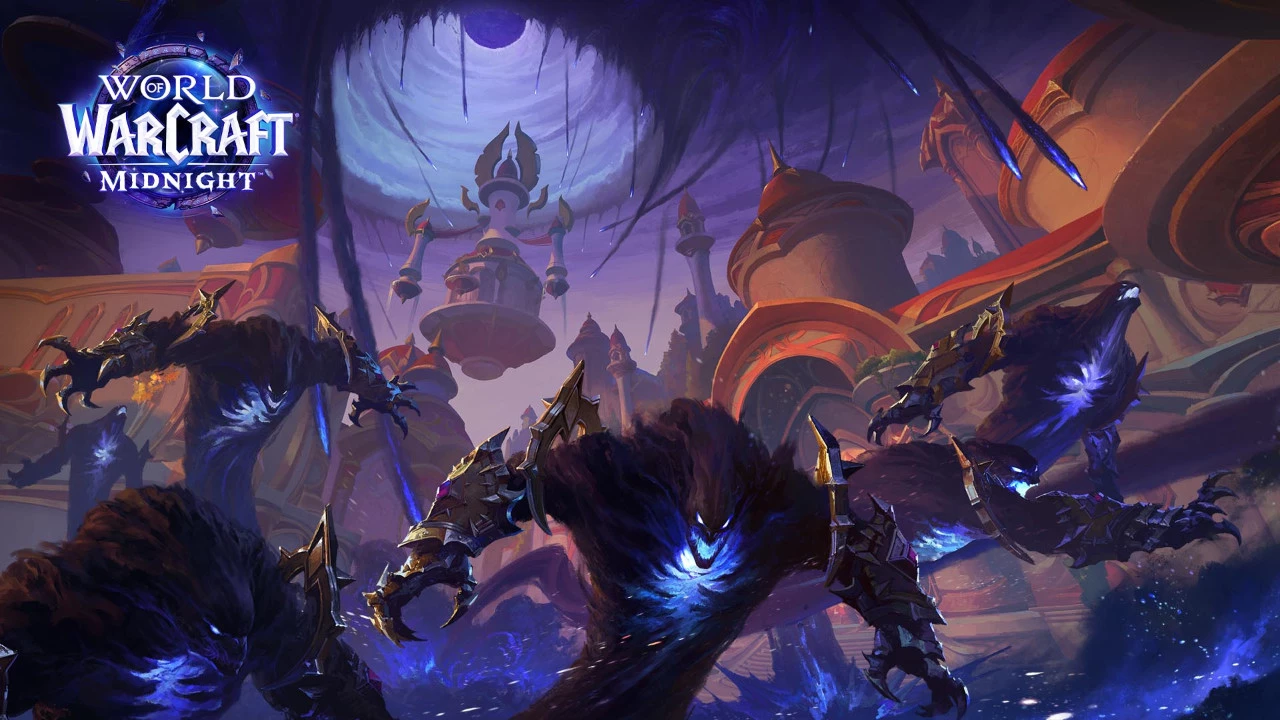
The current expansion has introduced numerous quality-of-life improvements that address long-standing community complaints. Streamlined leveling experiences allow new players to reach endgame content more quickly, while veteran players benefit from improved systems for managing multiple characters. The controversial borrowed power systems that defined several previous expansions have been significantly refined, reducing the feeling of mandatory grinding that drove many subscribers away. These changes reflect a philosophical shift within the development team toward respecting players’ time while still providing meaningful progression and challenge.
Industry analysts note that World of Warcraft’s current success cannot be separated from the broader context of the gaming market. The COVID-19 pandemic created unprecedented demand for online social experiences, and while some of that surge has naturally subsided, it also introduced millions of new players to the concept of persistent online worlds. Blizzard has worked to retain these newcomers through improved tutorial systems, more intuitive user interfaces, and content that can be enjoyed in shorter play sessions. The company’s research indicates that modern gamers often have less time for extended gaming sessions than the audience of 2004, necessitating fundamental changes to how content is structured and rewarded.
The competitive landscape has also evolved dramatically since World of Warcraft’s early dominance. Games like Final Fantasy XIV have emerged as serious contenders for the MMORPG crown, forcing Blizzard to innovate rather than rest on its laurels. This competition has ultimately benefited World of Warcraft players, as the development team has adopted successful features from competitors while maintaining the unique identity that has defined Azeroth for nearly twenty years. Cross-play functionality, improved graphics engines, and more responsive customer service all reflect lessons learned from observing what works in the broader market.
Looking toward the future, Blizzard has outlined an ambitious roadmap that suggests continued evolution rather than stagnation. Regular content updates, community events, and ongoing balance adjustments demonstrate a commitment to keeping the game fresh and engaging. The statement from World of Warcraft’s leadership about the game’s current quality isn’t merely marketing rhetoric—it reflects genuine confidence in the direction the franchise has taken. Whether longtime fans agree with this assessment varies widely, but the metrics suggest that millions of players continue to find compelling reasons to return to Azeroth month after month, paying subscription fees in an era when free alternatives abound.
As World of Warcraft approaches its third decade of operation, the game stands as a testament to the enduring appeal of well-crafted online worlds and the importance of listening to community feedback. The transformation from a singular gaming experience into a diverse ecosystem of interconnected products represents perhaps the most significant strategic shift in the franchise’s history. Only time will tell whether this approach sustains the game for another twenty years, but for now, the boss’s confident declaration appears backed by tangible improvements that have reinvigorated one of gaming’s most beloved franchises.