
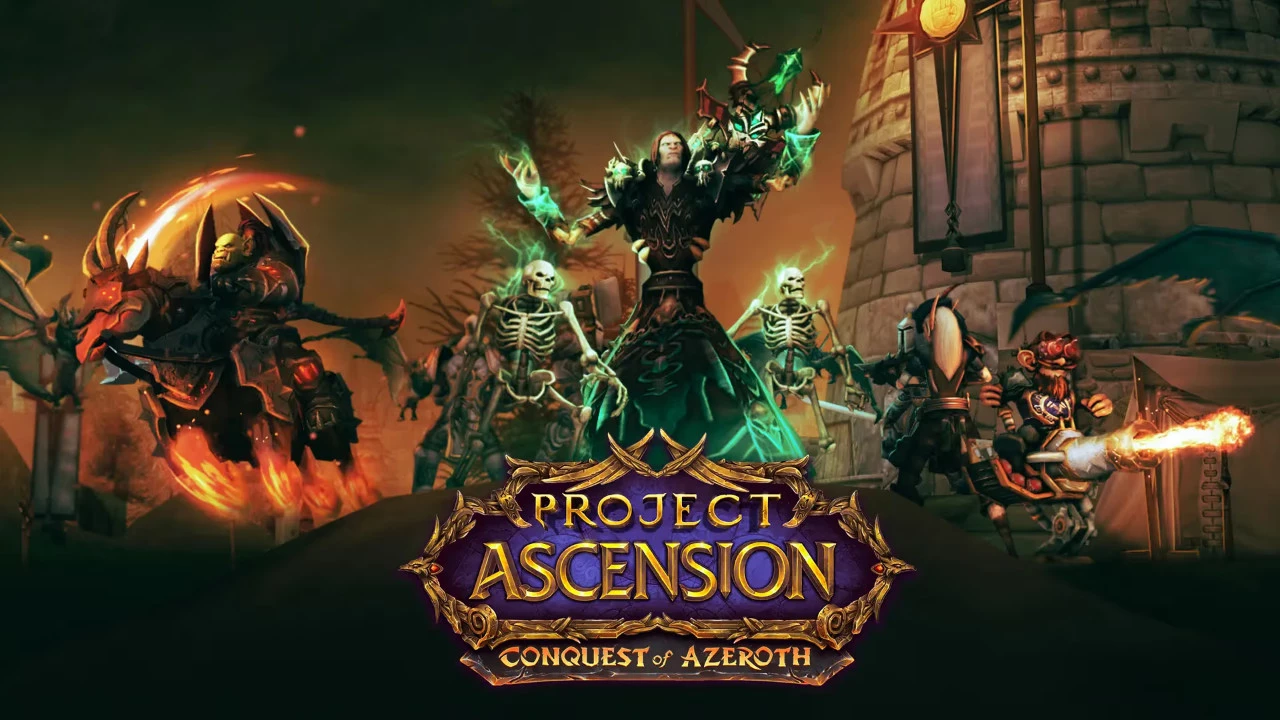
Blizzard Intensifies Legal Battle Against Private World of Warcraft Servers, Files Lawsuit Against Ascension WoW Creators
Blizzard Entertainment has launched an aggressive legal campaign against unauthorized private servers hosting classic versions of World of Warcraft, marking a significant escalation in the company’s long-standing battle against game piracy. Following recent legal action against the popular Turtle WoW project, the gaming giant’s legal team has now set its sights on the creators of Ascension WoW, filing a formal lawsuit in a California court. This latest move signals Blizzard’s renewed commitment to protecting its intellectual property and shutting down unofficial servers that have attracted millions of players worldwide.
The lawsuit against Ascension WoW represents one of the most significant legal actions Blizzard has taken against the private server community in recent years. Ascension WoW distinguished itself from traditional private servers by offering a unique “classless” gameplay system, allowing players to mix and match abilities from different character classes—a feature not available in the official game. This innovative approach attracted a substantial player base, with estimates suggesting tens of thousands of active users at the server’s peak popularity. The project operated for several years, building a dedicated community and even accepting donations to cover operational costs, which likely caught Blizzard’s attention as potential commercial exploitation of their intellectual property.
Private servers have been a contentious issue in the gaming industry for decades, but World of Warcraft’s case is particularly notable due to the game’s massive cultural impact and enduring popularity. Since its launch in 2004, WoW has generated over $10 billion in revenue and at its peak boasted more than 12 million subscribers. When Blizzard made significant changes to the game over its numerous expansions, many players sought out private servers to experience earlier versions of the game they remembered fondly. This nostalgia-driven demand eventually led Blizzard to officially launch World of Warcraft Classic in 2019, yet private servers continued to thrive by offering unique modifications, free access, and gameplay experiences that differed from official offerings.
The legal foundation for Blizzard’s lawsuits rests on multiple grounds, including copyright infringement, violation of the Digital Millennium Copyright Act (DMCA), and breach of the game’s terms of service. Private server operators typically reverse-engineer Blizzard’s proprietary server software to create their own versions capable of running the game client. This process, combined with the unauthorized use of Blizzard’s copyrighted game assets, music, artwork, and code, provides substantial legal ammunition for the company’s lawsuits. Previous cases have resulted in multimillion-dollar judgments against private server operators, though collecting these damages has often proven difficult when defendants are located outside the United States.
Blizzard’s history of legal action against private servers dates back to the mid-2000s, with notable cases including lawsuits against Scapegaming in 2010, which resulted in an $88 million judgment, and actions against numerous other operators throughout the following years. The company has employed various strategies, from cease-and-desist letters to full-scale litigation, depending on the scale and commercial nature of the unauthorized servers. Industry analysts suggest that Blizzard’s renewed focus on eliminating private servers may be connected to the company’s ongoing efforts to maintain subscriber numbers for World of Warcraft Classic and its various seasonal offerings, which compete directly with free private server alternatives.
The private server community has responded to these legal pressures with a mixture of defiance and adaptation. Some operators have relocated their infrastructure to jurisdictions with weaker intellectual property enforcement, while others have implemented donation systems rather than direct payment to argue they operate as non-profit fan projects. However, legal experts note that these strategies offer limited protection against determined corporate litigation, particularly when servers generate any form of revenue or achieve significant popularity. The shutdown of prominent servers often leads to community fragmentation, with players either migrating to official servers or seeking out smaller, less visible alternatives.
As Blizzard continues its crusade against unauthorized servers, the broader implications for gaming preservation and fan communities remain hotly debated. Supporters of private servers argue they provide access to game versions that would otherwise be lost to time, preserving important cultural artifacts in gaming history. Critics and rights holders counter that such operations fundamentally undermine the business models that allow companies to continue developing and supporting games. With the Ascension WoW lawsuit now proceeding through the California court system, the outcome may set important precedents for how aggressively gaming companies can pursue modified versions of their products and what defenses, if any, private server operators can successfully mount in response.