Huawei MatePad SE 11 (2026) Review: An Affordable Tablet That Delivers Premium Features Without Breaking the Bank
In a market increasingly dominated by expensive flagship tablets, Huawei has quietly been carving out a niche for itself with devices that offer genuine value for money. The latest addition to this lineup, the MatePad SE 11 (2026), continues this tradition by combining premium build quality with practical features at a price point that won’t empty your wallet. With its metal construction, generous 128GB of storage, M-Pen stylus support, and impressive battery life, this tablet promises to deliver a balanced experience for both productivity and entertainment without the usual compromises associated with budget devices.
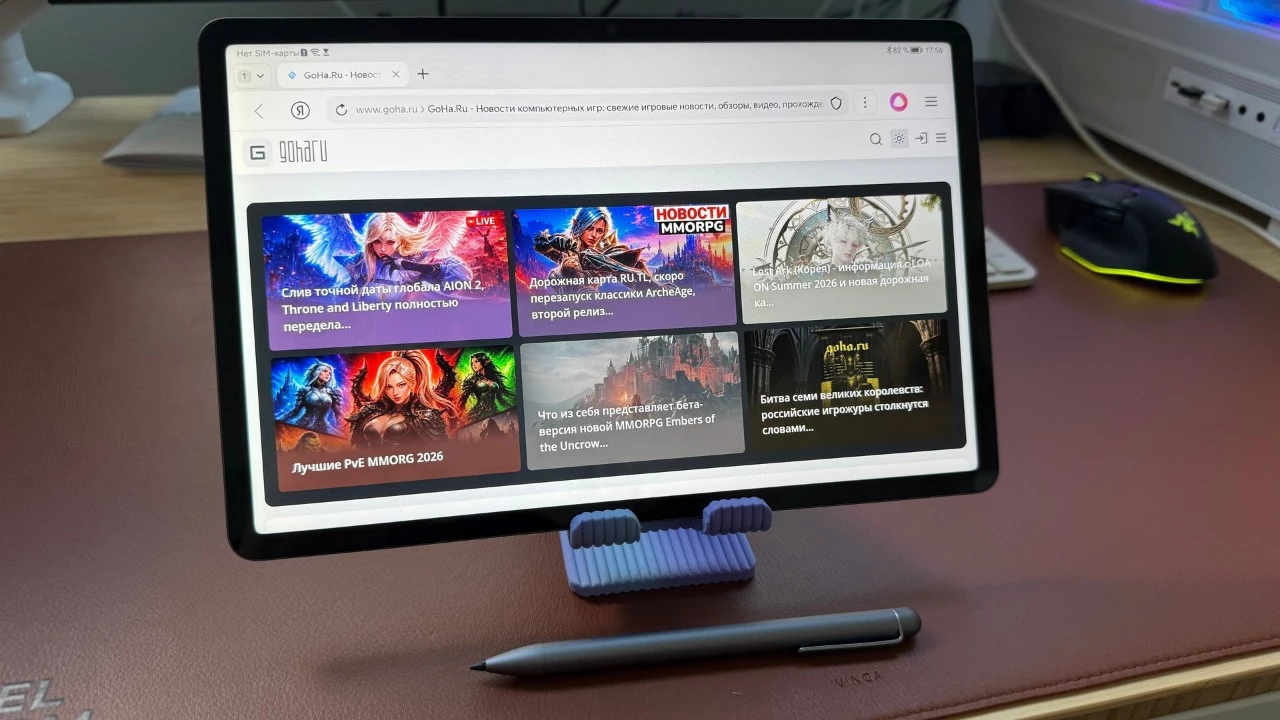
The first thing you notice when picking up the MatePad SE 11 (2026) is its surprisingly premium feel. Huawei has opted for an aluminum unibody construction that gives the tablet a solid, substantial presence in hand while keeping the weight manageable for extended use. The build quality rivals devices costing significantly more, with tight tolerances and no creaking or flex when applying pressure. This attention to construction quality represents a significant departure from the plastic-heavy budget tablets that have traditionally populated this price segment. The thin bezels around the 11-inch display contribute to a modern aesthetic that wouldn’t look out of place next to premium competitors.
The display itself is an 11-inch IPS LCD panel that delivers sharp, vibrant visuals suitable for everything from document editing to streaming movies. While it may not feature the OLED technology found in flagship models, the screen offers excellent brightness levels for indoor use and reasonable outdoor visibility. Color accuracy is commendable for a budget-oriented device, making it a viable option for casual photo editing and content consumption. Huawei has implemented its eye comfort certification technology, which reduces harmful blue light emissions during extended reading sessions—a thoughtful inclusion for users who plan to spend hours with the device for work or study purposes.
Under the hood, the MatePad SE 11 (2026) is powered by a capable processor that handles everyday tasks with confidence. While it won’t compete with flagship chips in raw benchmark scores, the silicon provides smooth performance for web browsing, document creation, video playback, and light gaming. The 128GB of internal storage represents a significant upgrade from previous budget tablets that often shipped with cramped 64GB configurations. This generous allocation means users can store a substantial library of apps, documents, and media without immediately reaching for external storage solutions. For those who need even more space, microSD card expansion remains an option.
One of the standout features of this device is its support for Huawei’s M-Pen stylus technology. Stylus support at this price point has historically been rare, making this inclusion particularly noteworthy for students, artists, and professionals who benefit from handwritten notes or sketching capabilities. The M-Pen offers responsive input with minimal latency, allowing for natural writing and drawing experiences. While the stylus is sold separately, its compatibility opens up a range of creative and productive possibilities that elevate the MatePad SE 11 beyond its budget positioning. Combined with Huawei’s note-taking applications, the device becomes a capable digital notebook replacement.
Battery life is where the MatePad SE 11 (2026) truly shines. Huawei has equipped the tablet with a substantial battery cell that delivers all-day usage under typical conditions. In our testing, the device consistently achieved impressive screen-on time, easily lasting through a full day of mixed use including video streaming, web browsing, and document work. For users who frequently find themselves away from power outlets—whether commuting, traveling, or working remotely—this endurance proves invaluable. The included charger provides reasonably fast replenishment, bringing the battery from empty to full in approximately two hours.
The software experience is built on Huawei’s HarmonyOS, which continues to mature as an ecosystem. The interface is clean and intuitive, with useful multitasking features that help maximize the tablet’s larger display. Split-screen mode allows users to run two applications simultaneously, while floating windows add additional flexibility for quick tasks. The app ecosystem, while not as extensive as some competitors, covers most essential categories including productivity suites, streaming services, and communication tools. Huawei’s AppGallery continues to expand its offerings, and users can also access third-party app stores for additional options.
In conclusion, the Huawei MatePad SE 11 (2026) successfully delivers on its promise of providing a no-compromise experience at an accessible price point. The combination of premium metal construction, ample storage, stylus support, and excellent battery life creates a compelling package for students, remote workers, and casual users alike. While it may not satisfy power users demanding the absolute latest in display technology or processing power, it represents outstanding value for anyone seeking a reliable, versatile tablet for daily use. Huawei has once again demonstrated its ability to balance cost, quality, and convenience in a single device.