
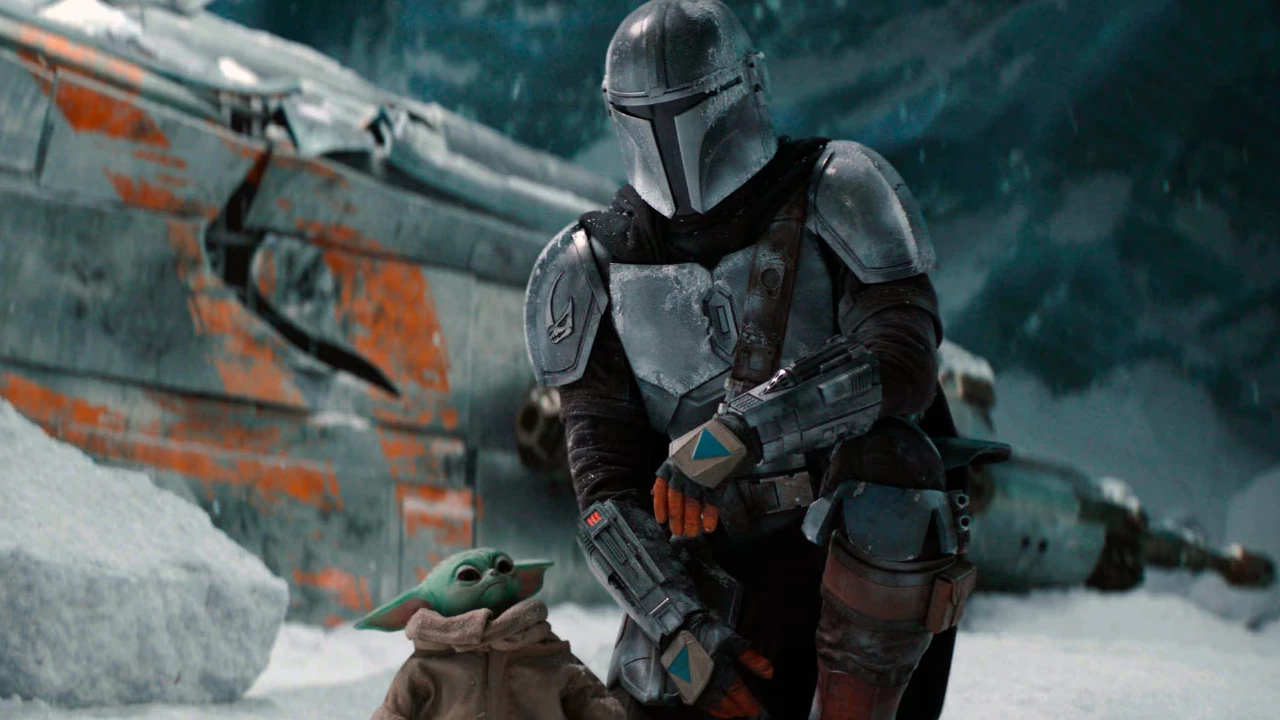
Baby Yoda Couldn’t Save It: ‘The Mandalorian & Grogu’ Becomes Lowest-Grossing Star Wars Film
The theatrical run of ‘The Mandalorian & Grogu’ has officially concluded, marking a historic low point for the Star Wars franchise at the box office. The film, which transitioned the beloved Disney+ series to the big screen, finished its global theatrical run with a total gross of $340.4 million. While this figure might seem substantial for many film franchises, it represents the weakest performance for any Star Wars theatrical release in the franchise’s nearly 50-year history.
The disappointing result comes as a surprise to many industry analysts who had anticipated that the popularity of the streaming series would translate into strong ticket sales. The Mandalorian became a cultural phenomenon when it launched alongside Disney+ in November 2019, introducing audiences to the bounty hunter Din Djarin and his adorable companion Grogu, affectionately dubbed ‘Baby Yoda’ by fans worldwide. The character quickly became an internet sensation, spawning countless memes and merchandise, making this theatrical underperformance all the more puzzling to studio executives.
To put this figure in perspective, even ‘Solo: A Star Wars Story,’ previously considered the franchise’s biggest theatrical disappointment, managed to gross $393 million worldwide during its 2018 release. That film’s perceived failure led Lucasfilm to completely restructure its theatrical strategy and ultimately contributed to the decision to focus on streaming content. The original Star Wars film from 1977, adjusted for inflation, earned well over $1.5 billion, while more recent entries like ‘The Force Awakens’ shattered records with over $2 billion in global receipts.
Industry experts point to several factors that may have contributed to the film’s underwhelming performance. The transition from streaming to theatrical release presented unique challenges, as many potential viewers had become accustomed to watching Mandalorian content from the comfort of their homes. Additionally, the film faced stiff competition from other major releases and arrived during a period of ongoing box office volatility following the pandemic’s lasting effects on moviegoing habits. Some analysts also suggest that Star Wars fatigue may have set in among general audiences, with Disney having released numerous projects across both streaming and theatrical platforms in recent years.
The production reportedly carried a substantial budget estimated between $150-200 million, not including marketing costs that typically add another $100 million or more for tentpole releases. Using industry standard calculations where a film needs to earn approximately 2.5 times its production budget to break even when factoring in marketing and theater revenue splits, ‘The Mandalorian & Grogu’ likely falls short of profitability from its theatrical run alone. However, Disney’s strategy has always incorporated streaming value, merchandise sales, and theme park synergies into their calculations for Star Wars properties.
Director Jon Favreau, who created the original series and helmed the film, had expressed confidence in bringing the characters to the big screen during the project’s promotional campaign. The film continued the story from the series’ third season, following Din Djarin and Grogu as they navigate new challenges in a galaxy still reeling from the fall of the Empire. Despite strong reviews from dedicated fans, the film struggled to attract the broader audience necessary for blockbuster success. Critics noted that while the film delivered fan service and impressive visual effects, it may have felt like an extended episode rather than a must-see theatrical event.
This result raises significant questions about Lucasfilm’s future theatrical strategy under Disney’s ownership. The studio had announced ambitious plans to return Star Wars to theaters after years of focusing on Disney+ content, including upcoming films from directors like Dave Filoni and Sharmeen Obaid-Chinoy. The latter’s project, featuring Daisy Ridley reprising her role as Rey, was intended to launch a new era of Star Wars storytelling. Industry observers will be watching closely to see whether Disney adjusts its approach in response to these numbers or maintains its current course.
The performance also highlights the ongoing challenge studios face in converting streaming success into theatrical gold. While shows like The Mandalorian can build devoted audiences over multiple seasons, convincing those same viewers to leave their homes and purchase theater tickets requires offering something that feels distinctly cinematic and event-worthy. As the entertainment landscape continues to evolve, the lesson from ‘The Mandalorian & Grogu’ may be that even the most beloved characters and franchises are not guaranteed theatrical success in an era of abundant home entertainment options.