Medieval Business and Intrigue: Dynasty Simulator The Guild – Europa 1410 Launches into Early Access
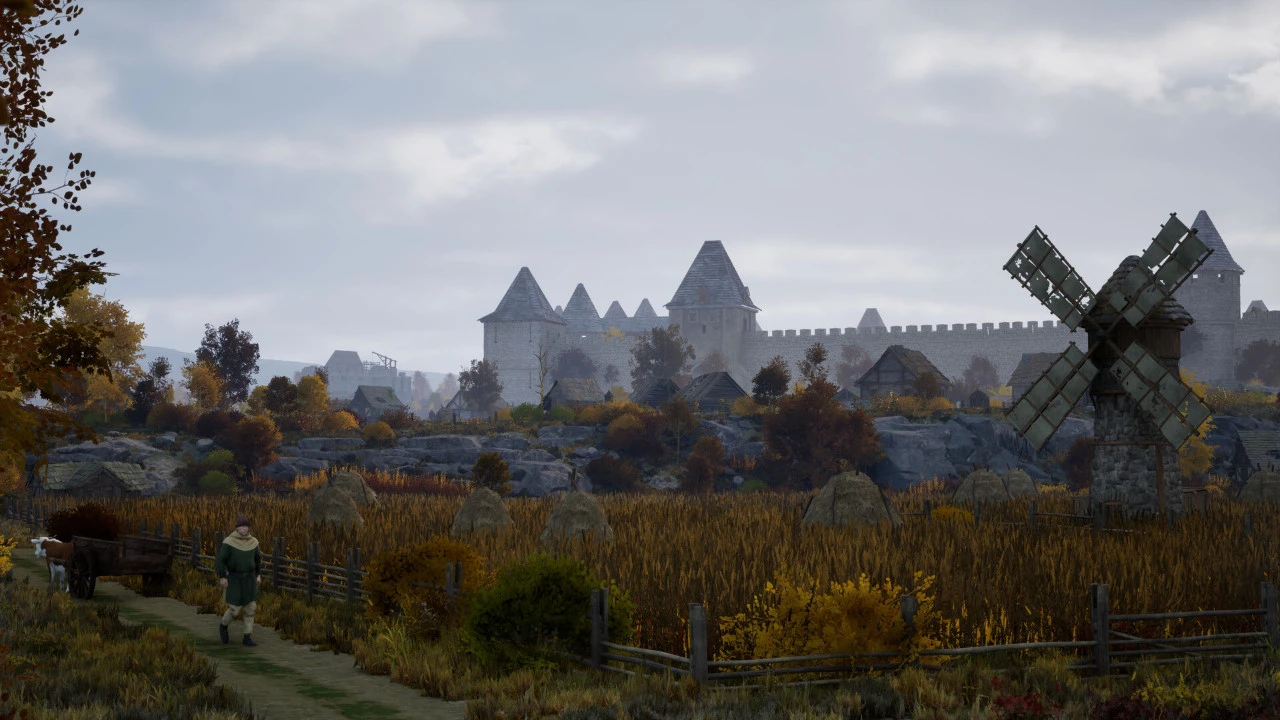
Economic simulation enthusiasts and fans of medieval strategy games have reason to celebrate as developer Purple Lamp Studios has announced that The Guild – Europa 1410 will enter Steam Early Access on July 16, 2026. This ambitious title promises to revive one of the most beloved dynasty-building franchises in gaming history, offering players the chance to build their commercial empires, navigate treacherous political waters, and establish powerful family legacies in a richly detailed recreation of 15th-century Europe.
The Guild series has maintained a dedicated cult following since the original game launched in 2002 under the title “Europa 1400: The Guild.” The franchise distinguished itself from other strategy titles by blending economic simulation with role-playing elements, allowing players to control individual characters rather than abstract nations or faceless corporations. Players could choose from various professions including blacksmiths, merchants, thieves, and craftsmen, building their businesses from humble workshops into sprawling commercial operations while simultaneously climbing the social and political ladders of medieval society.
What set The Guild apart from competitors was its unique generational gameplay system. Unlike traditional strategy games where players control immortal entities, The Guild forced players to think dynastically. Characters aged, married, produced heirs, and eventually died, passing their accumulated wealth, properties, and social standing to the next generation. This mechanic created deeply personal narratives where family rivalries could span centuries and business competition could evolve into bitter vendettas carried on by descendants long after the original disputants had passed away.
The Guild – Europa 1410 appears to be returning to these core principles while modernizing the experience for contemporary audiences. Set during a particularly turbulent period of European history, the game’s 1410 setting places players in an era of significant transition. The early 15th century witnessed the aftermath of the Great Schism that had divided the Catholic Church, the ongoing Hundred Years’ War between England and France, and the rise of powerful merchant families like the Medici in Florence who would come to dominate European finance and politics.
The economic systems of this period provide fertile ground for simulation gameplay. The late medieval era saw the emergence of sophisticated banking practices, the expansion of long-distance trade networks, and the growth of craft guilds that controlled manufacturing in major cities. These historical guilds, from which the game series takes its name, wielded enormous power over their respective industries, controlling who could practice various trades, setting quality standards, and often serving as political power blocs in urban governance. Players will likely find themselves navigating these complex institutional structures as they build their commercial empires.
Purple Lamp Studios, the Austrian development team behind this revival, faces the considerable challenge of meeting fan expectations while attracting new players unfamiliar with the series. The previous mainline entry, The Guild 3, launched in 2017 to mixed reviews, with many long-time fans criticizing technical issues and what they perceived as a departure from the series’ distinctive character. The decision to enter Early Access suggests the developers are taking a more cautious, community-driven approach to development this time, allowing player feedback to shape the final product.
The Early Access model has proven particularly successful for complex simulation games, allowing developers to iteratively improve systems based on real player experiences. Games like Rimworld, Factorio, and Manor Lords have all used extended Early Access periods to polish their mechanics and build devoted communities. For a game as intricate as The Guild – Europa 1410, which must balance economic simulation, political intrigue, social climbing, and generational family management, this approach could prove invaluable in identifying and addressing issues before full release.
As the July 2026 launch date approaches, prospective players can look forward to immersing themselves in a world of cutthroat commerce and aristocratic ambition. Whether sabotaging rival businesses, arranging advantageous marriages, bribing officials, or simply producing superior goods, The Guild – Europa 1410 promises to deliver the complex, morally flexible gameplay that made its predecessors memorable. For fans of historical simulation and dynasty-building games, this revival of a beloved franchise represents one of the most anticipated releases on the horizon.