‘We Didn’t Appreciate What We Had’: Reddit Users Nostalgically Recall the Golden Era of MMORPGs
A wave of nostalgia has swept through the gaming community as Reddit users engage in heated discussions about what many are calling the ‘last golden age’ of massively multiplayer online role-playing games. The period between 2013 and 2015 has emerged as a focal point of these conversations, with thousands of players sharing memories of what they believe was the final era when the MMORPG genre truly thrived before its gradual decline into its current state.
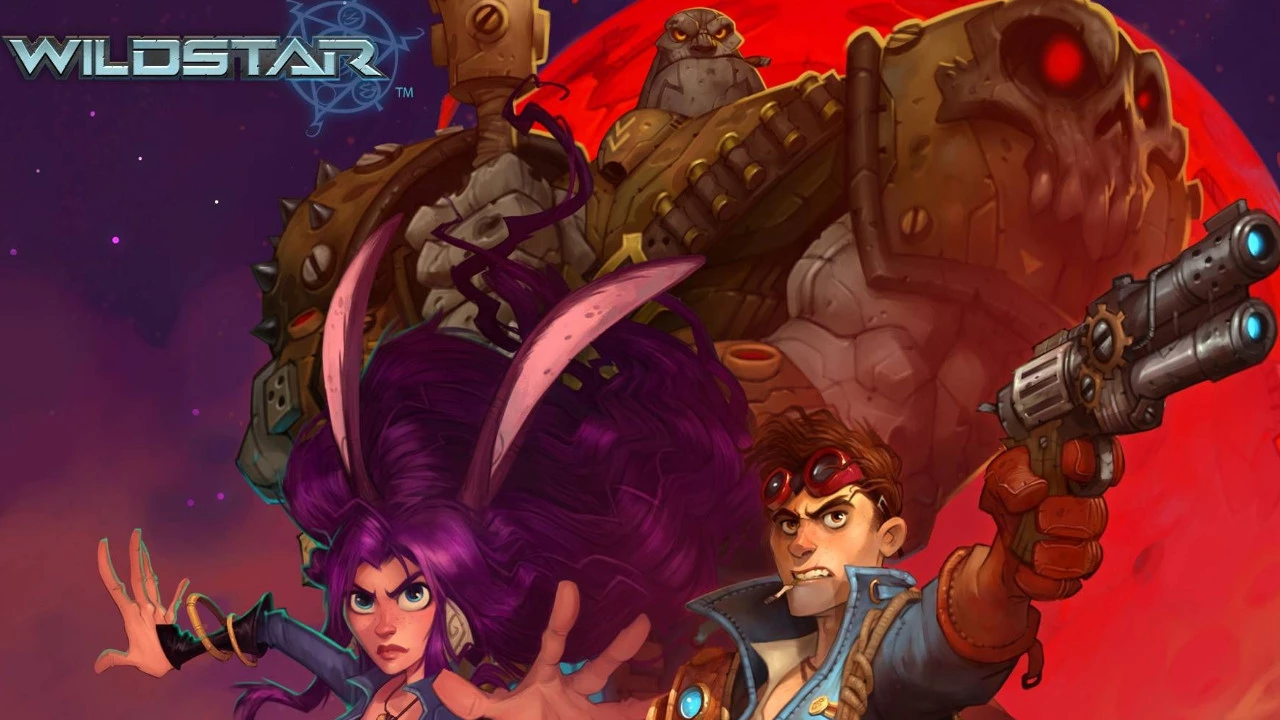
The discussion, which has garnered thousands of upvotes and hundreds of comments, reflects a broader sentiment within the gaming community about the evolution of online multiplayer experiences. During this period, titles like Final Fantasy XIV: A Realm Reborn was experiencing its remarkable comeback, The Elder Scrolls Online was finding its footing after a rocky launch, and established giants like World of Warcraft were still commanding massive player bases with expansions like Warlords of Draenor on the horizon. Guild Wars 2 was in its prime, offering a fresh take on the traditional MMO formula, while games like WildStar promised innovative combat systems that excited hardcore fans.
The nostalgic sentiment extends beyond mere gameplay mechanics. Many Reddit users emphasize that the social fabric of these games was fundamentally different during this period. Before the widespread implementation of automated matchmaking systems and cross-server features, players were forced to build genuine relationships within their server communities. Guild recruitment was a serious endeavor, and reputation mattered because you would encounter the same players repeatedly. This created a sense of accountability and camaraderie that many feel has been lost in modern iterations of the genre.
Gaming historians and industry analysts have long noted that the MMORPG market reached a critical inflection point during the mid-2010s. The genre, which had experienced explosive growth following World of Warcraft’s 2004 launch, began showing signs of market saturation. Development costs for AAA MMORPGs had ballooned to hundreds of millions of dollars, making publishers increasingly risk-averse. This economic reality meant fewer new entries in the market and more conservative design choices from existing titles, prioritizing player retention through daily login rewards and time-gated content rather than innovative gameplay experiences.
The rise of free-to-play models and microtransactions during this era also fundamentally altered the landscape. While these monetization strategies made games more accessible to wider audiences, many veteran players argue they changed the core design philosophy. Games began optimizing for engagement metrics and spending rather than creating memorable adventures. The shift from subscription-based models to cash shops meant that cosmetic items and convenience features, once earned through challenging content, became purchasable commodities.
What makes the Reddit discussion particularly poignant is the self-awareness expressed by many participants. The phrase ‘we didn’t appreciate what we had’ resonates throughout the thread, with players acknowledging that they often complained about aspects of these games that, in retrospect, seem relatively minor compared to current industry practices. Server maintenance issues, balance patches, and content droughts that once sparked outrage now seem trivial compared to concerns about aggressive monetization, battle passes, and the increasing homogenization of the genre.
The conversation also touches on broader changes in gaming culture and lifestyle. Many of those reminiscing about the 2013-2015 era were students or young professionals with abundant free time to dedicate to these demanding games. MMORPGs require significant time investment to truly appreciate, and as these players have aged, taken on careers, started families, and accumulated adult responsibilities, the games that once served as virtual second homes have become impractical luxuries. This personal evolution adds another layer of melancholy to the nostalgia.
Despite the wistful tone of these discussions, the MMORPG genre is far from dead. Final Fantasy XIV continues to enjoy robust popularity, and new entries like Amazon’s New World and upcoming titles attempt to recapture the magic that made the genre special. However, whether any modern or future release can truly recreate the specific combination of technological limitations, social dynamics, and cultural moment that defined the 2013-2015 era remains an open question. For many players, those years represent not just a high point for the genre, but a unique chapter in their personal gaming histories that can never be fully replicated.