
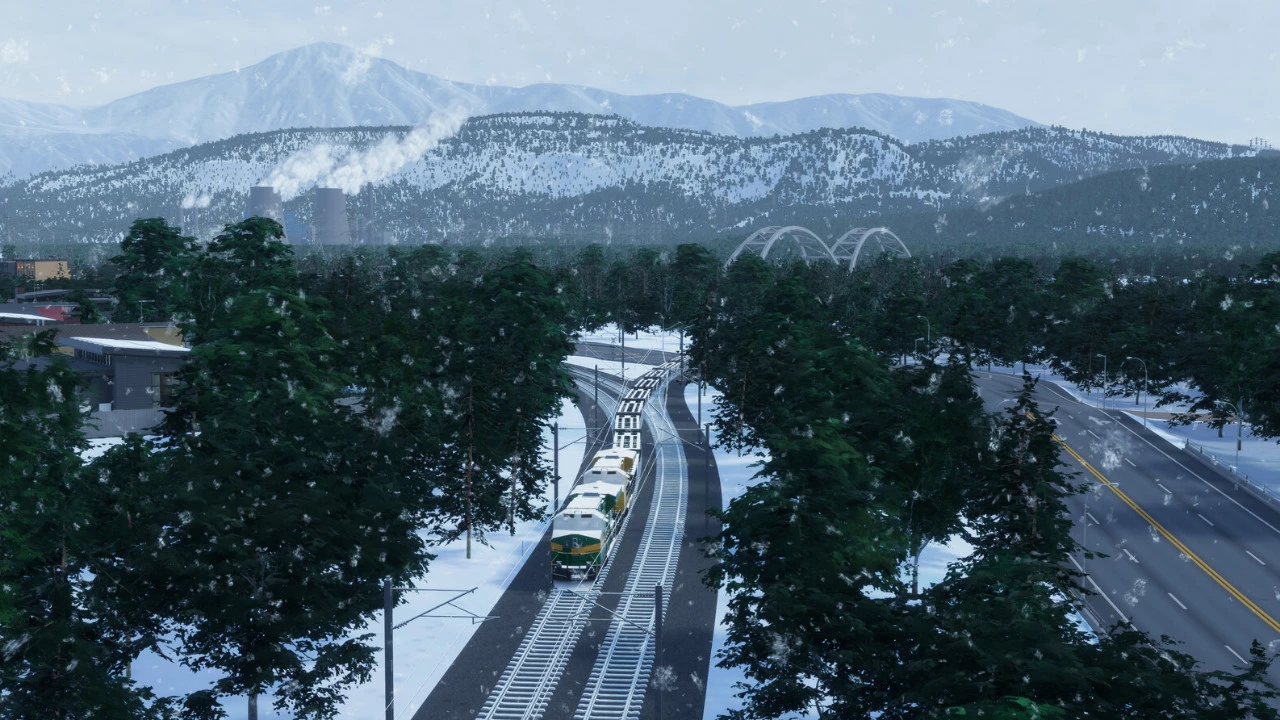
Cities: Skylines 2 Emerges From Crisis as Morning Dew Patch Breathes New Life Into Troubled City Builder
The long-awaited Morning Dew patch for Cities: Skylines 2 has arrived, marking what many players and critics are calling a turning point for the beleaguered city-building simulation. After months of struggling with performance issues, bugs, and missing features that plagued the game since its October 2023 launch, developer Colossal Order appears to have finally delivered an update substantial enough to begin restoring player confidence in their flagship title.
Cities: Skylines 2 launched to considerable anticipation as the sequel to one of the most beloved city builders of the past decade. The original game, released in 2015, had essentially become the gold standard for urban planning simulations after the disastrous launch of SimCity 2013 left a vacuum in the genre. However, the sequel’s release was marred by severe technical problems that made the game nearly unplayable for many users, regardless of their hardware specifications. Frame rates would plummet as cities grew, graphical glitches were commonplace, and numerous systems simply didn’t function as intended.
The Morning Dew patch addresses many of the core issues that have frustrated the player base for months. Performance optimizations have resulted in significantly improved frame rates, particularly in larger cities where the game previously struggled most. Memory management has been overhauled, reducing the frequent crashes that interrupted gameplay sessions. Additionally, the update includes fixes for simulation accuracy, ensuring that traffic flow, citizen behavior, and economic systems now function more reliably and realistically.
The troubled launch of Cities: Skylines 2 represents a broader pattern in modern game development, where titles are increasingly released in unfinished states due to market pressures and development constraints. Publisher Paradox Interactive faced significant backlash not only for the game’s technical state but also for their decision to release paid downloadable content while the base game remained fundamentally broken. This strategy alienated a loyal community that had supported the original game for nearly a decade through numerous expansions and modifications.
Community response to the Morning Dew patch has been cautiously optimistic. Steam reviews have shown a notable uptick in positive ratings since the update’s release, though the game’s overall rating remains “Mixed” as players wait to see if the improvements hold over extended play sessions. Modding communities, which were instrumental in the original game’s longevity, have begun showing renewed interest in creating content for the sequel now that the foundation appears more stable. The modding scene for Cities: Skylines was legendary, with creators developing everything from realistic public transit systems to detailed recreations of real-world cities.
Colossal Order has indicated that Morning Dew is part of a broader roadmap to bring Cities: Skylines 2 up to the standards players expect. Future updates are planned to introduce features that were present in the first game but absent from the sequel, including additional transportation options, more diverse building types, and expanded customization tools. The developer has acknowledged that the launch did not meet their own standards and has committed to ongoing support rather than abandoning the project.
The recovery of Cities: Skylines 2 will be closely watched by the gaming industry as a case study in post-launch rehabilitation. Games like No Man’s Sky and Cyberpunk 2077 have demonstrated that it is possible to transform a troubled release into a beloved title through dedicated long-term support, though such turnarounds require significant investment and patience from both developers and players. For the city-building genre specifically, the success or failure of this recovery effort will likely influence how future titles in the space are developed and released. With the Morning Dew patch, Colossal Order has taken their first meaningful step toward redemption, but the road to fully restoring player trust remains long.