Banned for Boosting: Riot Games Clarifies Trainwreck Situation, But Community Questions Remain
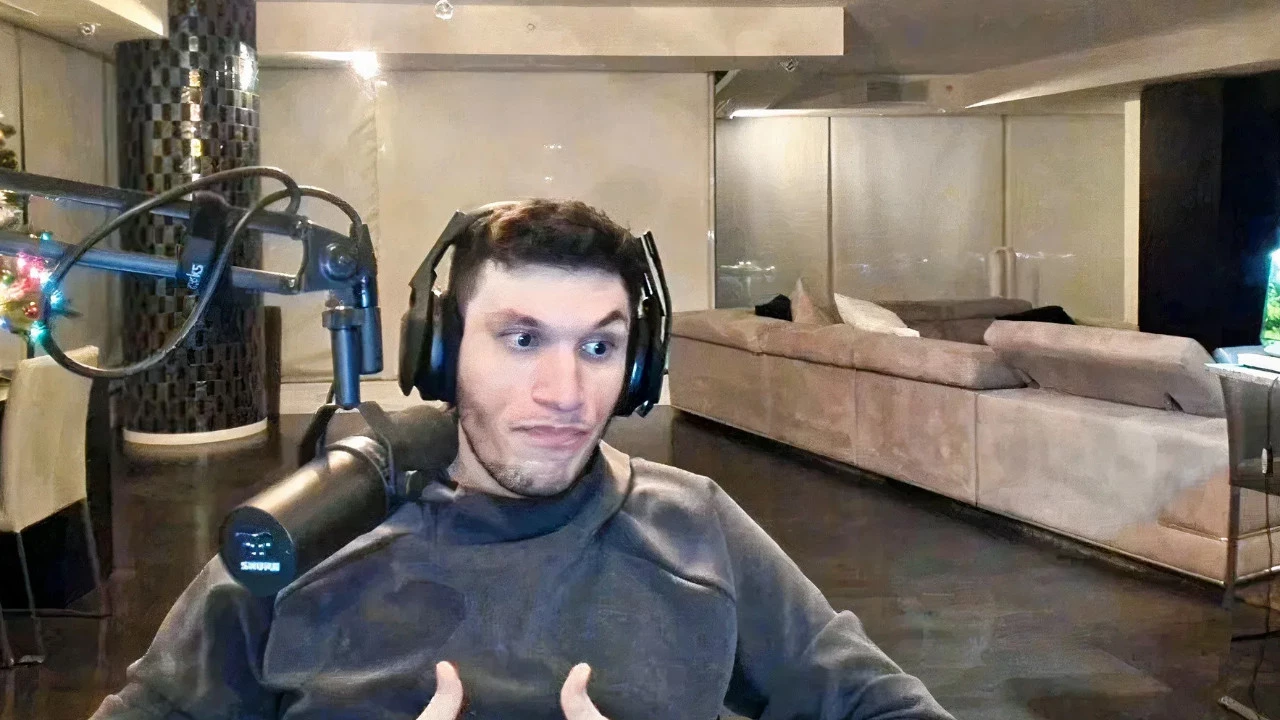
The gaming community has been set ablaze following the 31-day suspension of popular streamer Tyler Niknam, better known as Trainwreck, from Valorant. The ban, which was issued by Riot Games, has sparked intense debate about competitive integrity, the treatment of high-profile content creators, and the often murky rules surrounding ranked play in competitive shooters. While Riot Games has since provided clarification on the matter, many players and fans are still seeking answers about what exactly constitutes a bannable offense in the tactical shooter.
According to Riot Games’ official statement, Trainwreck’s punishment was not simply for playing in a group with friends, which is a common and perfectly acceptable practice in Valorant. Instead, the ban was specifically triggered by his participation in matches alongside a player holding the prestigious “Immortal” rank. This distinction is crucial because it touches on the sensitive issue of “boosting” – a practice where lower-ranked players team up with significantly higher-ranked individuals to artificially inflate their competitive standing. Boosting has long been considered a serious violation in competitive gaming, as it undermines the integrity of ranked systems designed to match players of similar skill levels.
Trainwreck, who boasts millions of followers across various streaming platforms and is primarily known for his gambling content and outspoken personality, has been a controversial figure in the online entertainment space for years. His venture into Valorant’s competitive scene brought his massive audience into direct contact with Riot Games’ strict enforcement policies. The streamer has historically been no stranger to controversy, having been banned from Twitch in the past and frequently engaging in heated debates with other content creators and gaming companies. This latest incident adds another chapter to his tumultuous relationship with major platforms and publishers.
The concept of boosting has been a persistent problem across virtually all competitive multiplayer games. In titles like League of Legends, Counter-Strike, and Overwatch, developers have implemented increasingly sophisticated systems to detect and punish players who attempt to manipulate their rankings through illegitimate means. Riot Games, in particular, has taken a hardline stance against boosting in both League of Legends and Valorant, viewing it as a direct threat to the competitive ecosystem that keeps millions of players engaged. The company has previously handed out permanent bans to repeat offenders and has even pursued legal action against commercial boosting services.
However, the Trainwreck situation highlights a gray area that many players find confusing. The distinction between playing with higher-ranked friends for fun and actively boosting can sometimes be difficult to discern. Valorant’s ranked system already implements restrictions on party compositions, limiting the rank disparity between players who can queue together in competitive modes. The fact that Trainwreck was still able to queue with an Immortal-ranked player suggests that either the system has loopholes, or additional context about the situation remains undisclosed. Community members have been quick to point out that if the game allows such party compositions, punishing players for using them seems contradictory.
The reaction from the gaming community has been mixed. Some players applaud Riot Games for treating a high-profile streamer the same way they would treat any other player, arguing that consistent enforcement is essential for maintaining competitive integrity. Others, however, question whether the punishment was proportionate and whether similar actions are being taken against non-famous players engaging in identical behavior. The debate has reignited discussions about transparency in moderation decisions, with many calling for clearer guidelines about what specific party compositions and behaviors will trigger punishments.
This incident also raises broader questions about the relationship between game developers and content creators. Streamers like Trainwreck bring significant visibility to games like Valorant, potentially driving new player acquisition and engagement. However, their large platforms also mean that any rule-breaking behavior is amplified and could potentially encourage viewers to attempt similar exploits. Riot Games faces the delicate challenge of maintaining fair enforcement while navigating the complex dynamics of influencer relationships. As competitive gaming continues to grow and the lines between professional players, content creators, and casual gamers become increasingly blurred, cases like this will likely become more common and more complicated to adjudicate.
As the 31-day ban continues, the community waits to see whether Riot Games will provide additional clarification or adjust their policies regarding party restrictions in ranked play. For now, the Trainwreck situation serves as a cautionary tale for players of all skill levels: in the eyes of competitive game developers, the integrity of the ranked ladder takes precedence over viewership numbers and social media following. Whether this approach will satisfy the concerns raised by players and content creators remains to be seen, but one thing is certain – the conversation about boosting, fairness, and enforcement in competitive gaming is far from over.