XPPen Artist 12 (3rd Gen) vs Deco 640: Display or Budget — Which Graphics Tablet Should You Choose?
The world of digital art has never been more accessible, with graphics tablets now available at virtually every price point. XPPen, a company that has steadily built its reputation as a serious competitor to industry giant Wacom, offers two compelling options that represent the fundamental choice facing digital artists today: should you invest in a pen display with a built-in screen, or opt for a more affordable screenless tablet? The Artist 12 (3rd Generation) and the Deco 640 embody this classic dilemma, each catering to different needs, budgets, and creative workflows. Understanding the key differences between these devices can help artists, designers, and even rhythm game enthusiasts make an informed decision about their next creative tool.
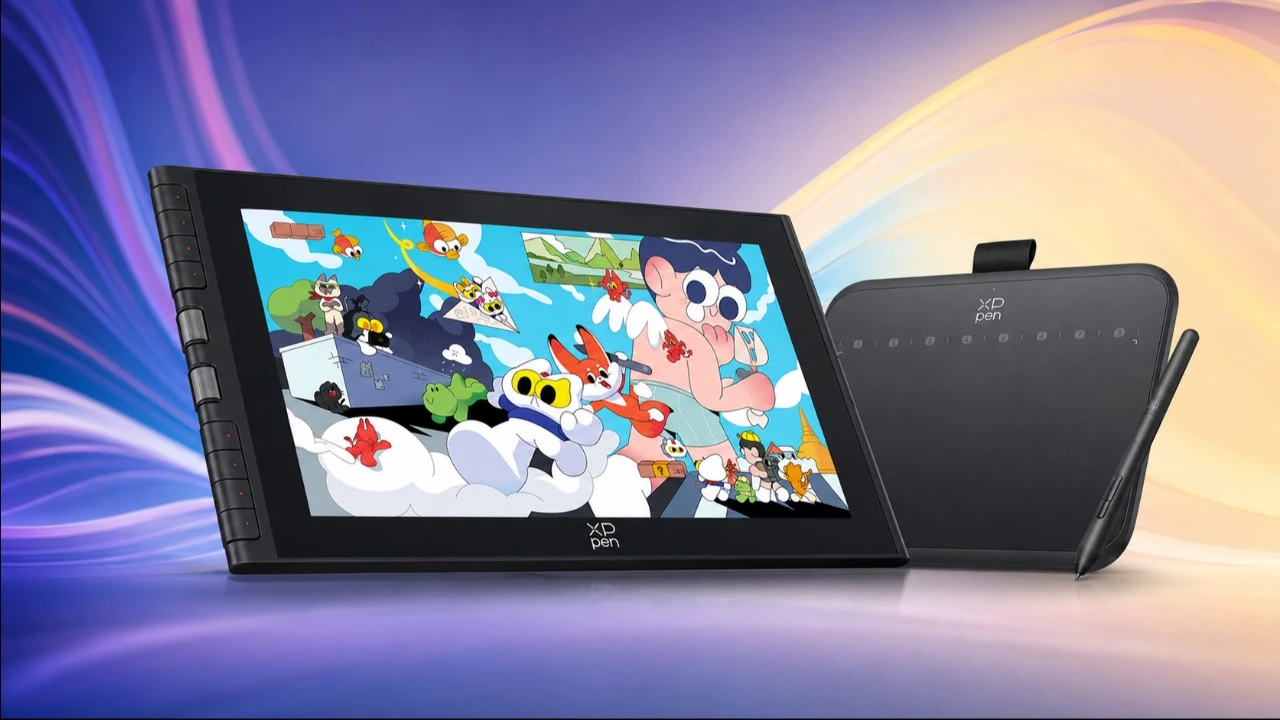
The XPPen Artist 12 (3rd Generation) represents the company’s commitment to making pen displays accessible to a broader audience. Priced significantly lower than professional-grade alternatives from competitors, this 11.9-inch display tablet features a fully laminated IPS screen with 1920×1080 resolution, offering artists the intuitive experience of drawing directly on their work. The third generation brings notable improvements over its predecessors, including enhanced color accuracy covering 127% of the sRGB color gamut, reduced parallax thanks to the laminated display technology, and improved pen performance. For artists transitioning from traditional media, the ability to see their strokes appear exactly where the pen touches the screen eliminates one of the most significant learning curves associated with graphics tablets.
Graphics tablets with displays have revolutionized the way digital artists work by bridging the gap between traditional and digital art creation. Before pen displays became affordable, artists had to develop the somewhat unnatural skill of drawing on a tablet while looking at a separate monitor — a disconnect that many found challenging to master. The technology behind pen displays has evolved dramatically since Wacom introduced the first Cintiq in 2001. Today’s devices feature better color accuracy, lower latency, improved pressure sensitivity, and significantly reduced prices. XPPen entered this market as a value-oriented alternative, and over the years has refined its products to offer features that rival more expensive options. The Artist 12’s X3 Pro Roller stylus, included with the third generation model, delivers 16,384 levels of pressure sensitivity — four times the industry standard of 4,096 levels — allowing for incredibly nuanced brush strokes and precise control.
On the opposite end of the spectrum sits the XPPen Deco 640, a compact screenless tablet designed for users who prioritize portability and affordability. Measuring just 6×4 inches in its active drawing area, this tablet eschews a built-in display entirely, requiring users to watch their monitor while drawing on the tablet’s surface. While this might seem like a significant compromise, screenless tablets remain incredibly popular among digital artists for good reasons. They’re lighter, more portable, generate no additional heat, require no calibration for color accuracy, and often last longer due to fewer components that can fail. The Deco 640 still offers impressive specifications for its size, including 8,192 levels of pressure sensitivity, tilt recognition, and a battery-free stylus that never needs charging.
The choice between a pen display and a screenless tablet often comes down to workflow preferences and use cases. Professional illustrators and digital painters frequently prefer pen displays because the direct drawing experience allows for more natural brush control and easier hand-eye coordination. However, many concept artists, graphic designers, and photo editors work perfectly well with screenless tablets, having developed the necessary coordination over time. Interestingly, the rhythm game community has emerged as an unexpected user base for graphics tablets, particularly for games like osu! where the tablet’s active area can be mapped for precise cursor control. For these users, the Deco 640’s compact size and responsive surface make it an excellent choice, while the Artist 12’s display offers the added benefit of seeing the game directly under the pen.
From a technical standpoint, both devices integrate seamlessly with major creative software including Adobe Photoshop, Illustrator, Clip Studio Paint, and Procreate alternatives on Windows and Mac. XPPen’s driver software allows extensive customization of pressure curves, express keys, and tablet mapping. The Artist 12 includes additional features like a fully adjustable stand for comfortable drawing angles and programmable shortcut keys along the device’s edge. The Deco 640, while more spartan in its feature set, compensates with its extreme portability — it can easily slip into a laptop bag for artists who work on the go. Both tablets support connection via USB-C, though the Artist 12 requires additional power delivery for its display, typically handled through a three-in-one cable that connects to the computer.
The price difference between these two tablets is substantial, with the Artist 12 (3rd Generation) typically costing three to four times more than the Deco 640. This premium pays for the integrated display, higher pressure sensitivity levels, and the more natural drawing experience. For beginners just entering digital art, the Deco 640 represents an excellent entry point that allows them to learn digital techniques without a major financial commitment. If they find themselves limited by the screenless experience, upgrading to a pen display later remains an option. However, for serious hobbyists or professionals who know they prefer the direct drawing experience, investing in the Artist 12 from the start may prove more economical than buying multiple devices over time.
Ultimately, the question of display versus economy has no universal answer. Both the XPPen Artist 12 (3rd Generation) and the Deco 640 are capable tools that can produce professional-quality work in the right hands. The Artist 12 offers the intuitive, traditional-like drawing experience that many artists crave, complete with modern features that punch above its price point. The Deco 640 provides exceptional value for budget-conscious creators and those who prioritize portability over the pen display experience. As XPPen continues to push innovation while maintaining competitive pricing, digital artists have more options than ever to find the perfect tool for their creative journey — regardless of their budget or skill level.