Riot Games Emergency Removes Breeze Map from Valorant Due to Critical Box Collision Bug
Riot Games has temporarily disabled the popular Breeze map from Valorant’s competitive rotation after players discovered a game-breaking bug that fundamentally compromised the tactical shooter’s core gameplay mechanics. The issue, which affected specific crate objects near the A Shop area, allowed abilities and projectiles to pass directly through what should have been solid cover, effectively turning strategic defensive positions into useless decorations and exposing player locations to enemy reconnaissance.
The bug was quickly identified by the Valorant community when players noticed that flash grenades, surveillance drones, and other utility abilities were inexplicably ignoring the collision detection on certain wooden crates. In a game where positional information and cover mechanics are absolutely critical to competitive play, this glitch created an unacceptable advantage for attacking teams who could scout defender positions without any obstruction. Professional players and content creators were among the first to bring widespread attention to the issue, demonstrating in clips how abilities simply phased through the supposedly solid objects.
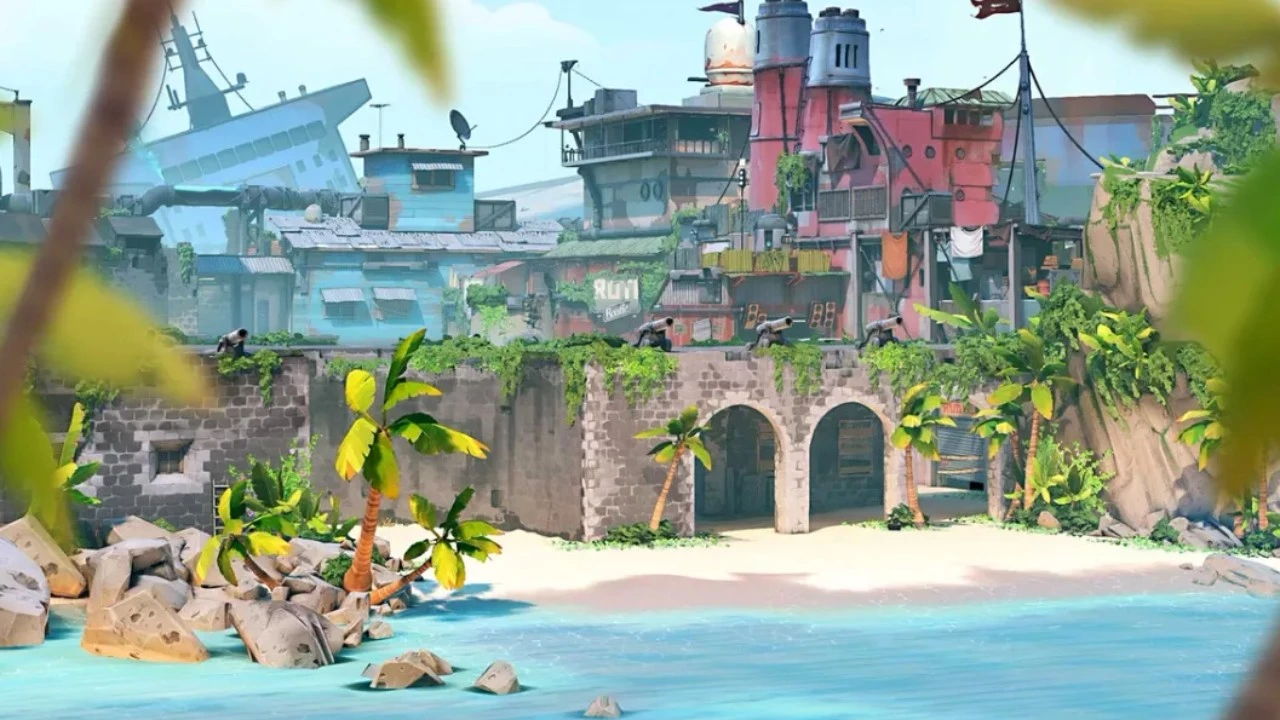
Breeze holds a unique place in Valorant’s map pool as one of the largest and most open battlegrounds in the game. Originally released in April 2021 during Episode 2 Act 3, the tropical island-themed map was designed to favor long-range engagements and reward players with strong rifle mechanics. Its sprawling layout features wide open spaces, long sightlines, and relatively few chokepoints compared to other maps like Bind or Split. This design philosophy makes utility usage and information gathering even more crucial on Breeze, which explains why the collision bug had such a dramatic impact on gameplay balance.
This is not the first time Riot Games has been forced to take swift action regarding map-related bugs in Valorant. The development team has historically maintained a zero-tolerance policy for exploits that could affect competitive integrity, previously removing maps and agents from ranked queues when significant issues were discovered. The company’s rapid response to the Breeze situation reflects their ongoing commitment to maintaining a fair playing field, particularly as Valorant continues to grow as a major esports title with millions of dollars in tournament prize pools at stake.
The technical nature of collision detection bugs in modern game engines can be surprisingly complex. In most cases, these issues arise from discrepancies between visual models and their invisible hitboxes, which are the geometric shapes that actually determine how objects interact with projectiles and abilities. During map updates or routine patches, small changes to object placement or scaling can sometimes cause these hitboxes to become misaligned or even completely non-functional. While Riot has not officially disclosed the exact cause of the Breeze bug, experienced developers in the gaming community have speculated that a recent patch may have inadvertently modified the crate objects’ collision properties.
The Valorant community’s reaction to the map’s removal has been largely understanding, with most players acknowledging that competitive integrity must take precedence over map availability. However, some players have expressed frustration, particularly those who specialize in Breeze gameplay or were in the middle of climbing ranked ladders with strategies specifically tailored to the map. Riot Games has not yet announced a specific timeline for when Breeze will return to the active map pool, though the company typically resolves such issues within days rather than weeks when they involve straightforward collision fixes.
As Valorant approaches its fifth anniversary in 2025, the game continues to face the ongoing challenge of maintaining a bug-free experience across an ever-expanding roster of maps, agents, and abilities. With each new content addition, the potential for unexpected interactions and technical issues grows exponentially. Riot’s quality assurance teams work continuously to identify and address problems before they reach live servers, but some bugs inevitably slip through the cracks. The swift removal of Breeze demonstrates that while perfection may be impossible, the development team remains vigilant in protecting the competitive experience that has made Valorant one of the most popular tactical shooters in the world.