Indie Survival Game Romestead Becomes Surprise Steam Hit, Sells 250,000 Copies in First Week
The independent gaming scene has witnessed yet another unexpected success story as Romestead, a survival action game developed by small studio Beartwigs, has achieved remarkable commercial success on Steam. Within just one week of its early access launch, the title has surpassed 250,000 copies sold, establishing itself as one of the most impressive indie debuts of the year. This achievement is particularly noteworthy given the highly competitive nature of the survival game market, where countless titles vie for player attention.
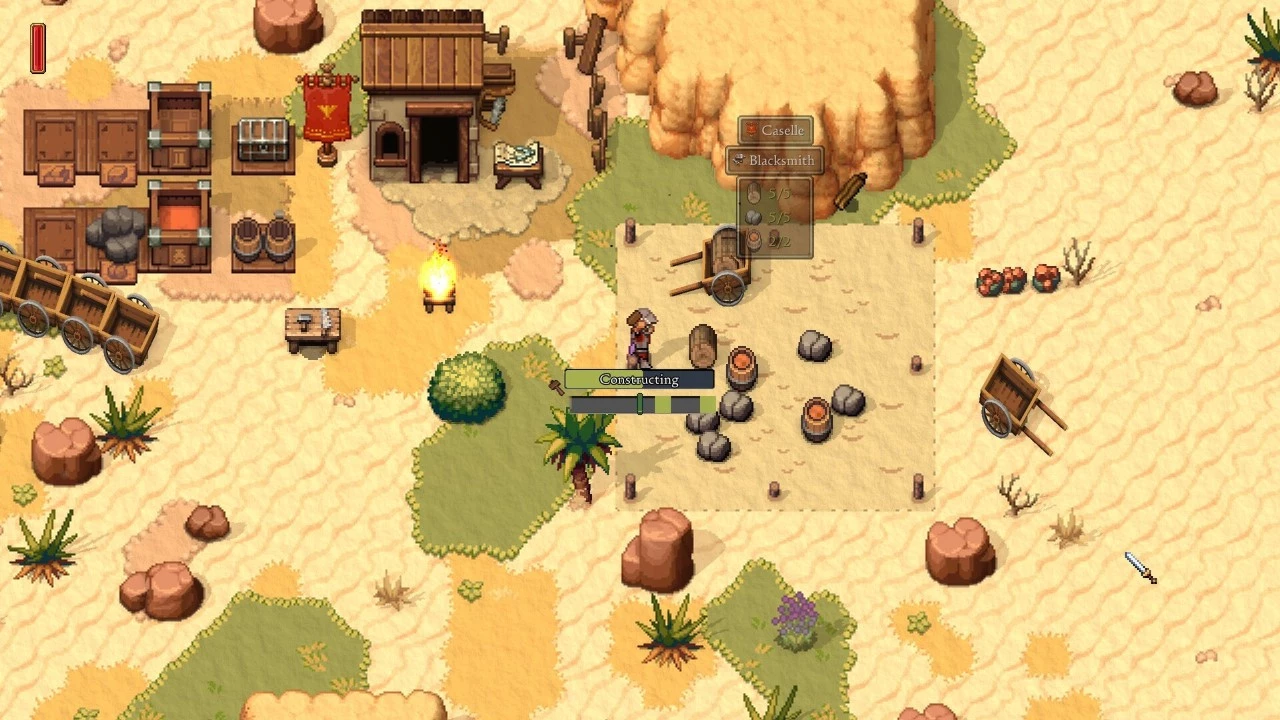
Romestead combines classic survival mechanics with action-oriented gameplay, set against the backdrop of ancient Rome. Players must navigate the challenges of building and maintaining a settlement while defending against various threats. The game’s unique premise of survival mechanics in a Roman setting has clearly resonated with players seeking fresh experiences in a genre that has become increasingly saturated with post-apocalyptic and medieval themes. The title currently boasts a “Very Positive” rating on Steam, with players praising its engaging gameplay loop and atmospheric presentation.
For Beartwigs, a relatively unknown independent studio, this success represents a major breakthrough. The survival genre has historically been dominated by established franchises like Rust, ARK: Survival Evolved, and Valheim, making it exceptionally difficult for newcomers to gain traction. However, Romestead’s unique historical setting and polished early access experience have helped it stand out in a crowded marketplace. Industry analysts note that the game’s success follows a growing trend of players gravitating toward indie titles that offer innovative takes on familiar genres.
The survival game genre itself has experienced significant evolution since the early days of DayZ and Minecraft. What began as niche experiments has grown into one of gaming’s most popular categories, with the global survival games market valued at billions of dollars. Games in this genre typically challenge players to gather resources, craft tools and structures, manage hunger and health, and often defend against both environmental hazards and hostile entities. Romestead appears to have found the sweet spot between accessibility and depth that appeals to both casual players and hardcore survival enthusiasts.
Early access has proven to be a crucial strategy for independent developers, allowing them to generate revenue while continuing to develop their games based on player feedback. Notable success stories like Hades, Baldur’s Gate 3, and Valheim have demonstrated that this model can lead to exceptional outcomes when executed properly. Romestead’s strong initial sales suggest that Beartwigs has positioned itself well to follow a similar path, with the studio now having the financial resources to expand and polish the game throughout its early access period.
The game’s Roman setting offers rich potential for content expansion, drawing from one of history’s most documented civilizations. From gladiatorial combat to siege warfare, from intricate political systems to architectural wonders, ancient Rome provides an extensive foundation for gameplay features. Community discussions already show players speculating about potential additions such as Roman military campaigns, trade systems with neighboring territories, and more elaborate building options inspired by authentic Roman architecture and engineering.
Looking ahead, the challenge for Beartwigs will be maintaining momentum and continuing to deliver meaningful updates that keep the growing player base engaged. The history of early access games shows that initial success must be followed by consistent development and community engagement to achieve long-term viability. However, with a quarter-million players already invested in Romestead’s future, the studio has established a strong foundation. As the game continues to evolve, it may well cement its place as a defining title in the survival genre, proving once again that innovative ideas from small teams can compete with industry giants when execution meets opportunity.